 EN
EN

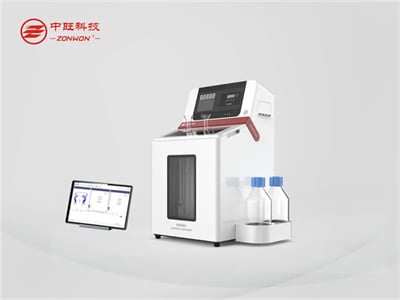
The most important physical characteristic of any liquid is viscosity. Viscosity dictates how a fluid can mix, spread, flow, pump and work. Incorrect testing of viscosity can lead to failures in batches, a poor customer experience, and expensive reprocessing, whereas correctly measuring viscosity will result in better performing products and increased brand image, saving the manufacturers money in many ways. Here is how precise viscosity testing enhances product performance across many industrial applications.
1. Ensuring Batch-to-Batch Consistency
Manufacturers producing polymer, adhesive, medical or food items, for example, need every single one of their products to perform in exactly the same way. Small variations in viscosity will alter the lubrication characteristics of an oil, the way in which paint sprays and the way in which syrup flows, for instance.
Precision viscosity testing, using an automatic or dynamic viscometer, provides an immediate performance update during manufacturing. When viscosity does not meet its specifications, the formulation can be immediately changed to prevent the entire batch failing the standards. This continuous testing will build up production history, making processes more robust and improving predictions so that there will be fewer unpleasant surprises down the line. If it is supplying into the automotive or medical sector, it is absolutely critical to have such a stringent standard of consistency batch to batch- otherwise it will have failed to meet its contractually specified requirements.
2. Optimising Formulation and Raw Material Selection
Product formulation is all about a number of requirements, which are sometimes contradictory. A cream needs to be viscous enough to sit on the skin without running off, but still thin enough to spread easily. Ink has to flow down the nozzle, but without dripping, then adhere quickly to paper. Viscosity is the link which brings these conflicting characteristics together.
Accuracy of selection of raw materials, whether they be base oils, thickeners or solvents, can be carried out with far greater assurance, by using precise viscosity testing. Different shear rates can be evaluated (using a rotary viscometer), or different temperatures can be assessed using heated baths (rotary and kinematic), to predict what will happen with the product in real life, before the batch reaches production size. This has the added advantage of meaning fewer expensive trials will be needed and cutting down on the lead time to market. For polymer manufacturers the weight of each molecule directly influences the viscosity of the solution so testing ensures it will be appropriate from both a thermal and mechanical point of view.
3. Reducing Energy Consumption and Production Costs
Energy is wasted when a liquid has a higher viscosity than intended and is pumped and/or stirred. Such operations, particularly pumping, are very energy intensive so the viscosity of the liquid being pumped needs to be as low as possible to avoid this waste, without jeopardizing the product performance.
Where the acceptable range of viscosity values allows for testing to the lower limit, the resulting products save energy and also cut down on the wear associated with the pumps and other such equipment. In an oil refinery or the polymer extruding processes where the operation is continuous, viscosity needs to be continually monitored and controlled. Heating or dilution can then be automatically applied to bring it back into the specified range, while using the minimum amount of energy possible. These costs, saved over a year, are not insignificant.
4. Meeting Regulatory and Customer Specifications
There are many standards and regulations concerning the specification of viscosity, and if they are not met by your product, they can lead to rejection or an inability to supply to certain customers. Regulations include ASTM D445 for the petroleum industry, ISO 3105 which deals with the testing apparatus of capillary viscometers, and the many specifications that are laid down in the pharmacopoeia for drug formulation.
Precision viscosity testing with properly calibrated and traceable equipment can make sure that the values reported to customers are accurate and defensible. Today's modern automatic viscometers can eliminate manual timing errors—and keep full electronic records which help auditors. When customers receive a certificate of analysis, they have the confidence that the product will work as promised, leading to future business.
Summary
Precision viscosity testing improves product performance by producing batch consistency, helping to formulate more effectively, reducing the costs of production and meeting the relevant customer and regulatory specifications. So, whether it is oil or paint, pharmaceuticals or food that a business produces, it must invest in high accuracy viscosity testing equipment if it wishes to obtain the maximum value from its products and processes. Hangzhou Zhongwang Technology offers fully automatic viscometers—to assess a multitude of parameters on liquids and they also supply the capillary viscometer tubes themselves. They provide a full range of equipment, which you can find out more about, by contacting them for their free information leaflet.