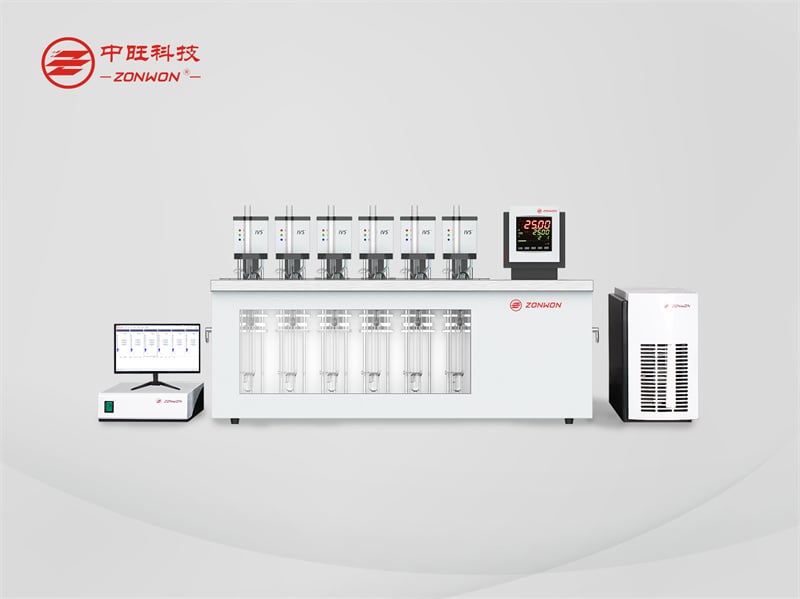
In the world of recycling, we often hear about PET, which stands for polyethylene terephthalate. This is a common plastic used in many bottles and containers. Recycling PET is important because it helps reduce waste and saves resources. However, not ...
VIEW MORE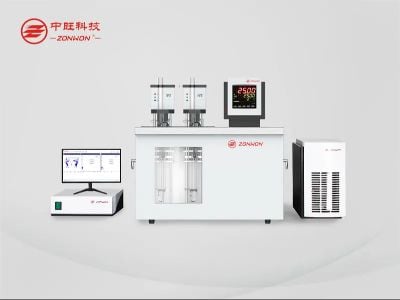
Polymers are special materials that are used in many products we see every day. They have different properties, like being stretchy or strong, and this makes them useful for various applications. When we want to test how thick or viscous a polymer so...
VIEW MORE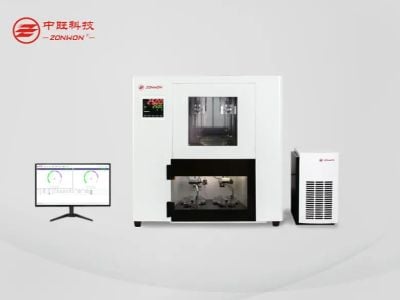
When measuring intrinsic viscosity, getting it right is super important. Intrinsic viscosity helps us understand how thick or watery a fluid is. It matters a lot in industries like textiles and plastics, which is why ZONWON focuses on getting these m...
VIEW MORE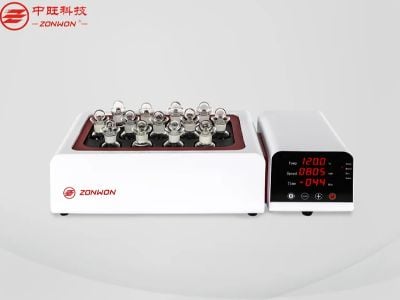
Sample preparation is an important step in measuring the intrinsic viscosity of materials. Intrinsic viscosity helps us understand how thick or thin a liquid is, which is important in many industries, including food, pharmaceuticals, and plastics. If...
VIEW MORE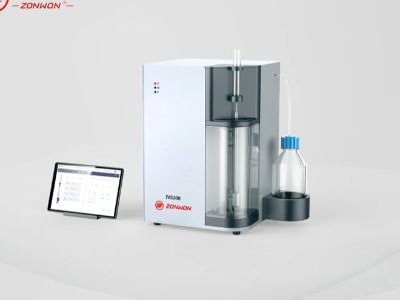
Quality control (QC) is really important in making sure that products meet the right standards. For companies that work with polymers, like ZONWON, keeping track of the materials used is essential. One tool that helps a lot in this process is the aut...
VIEW MORE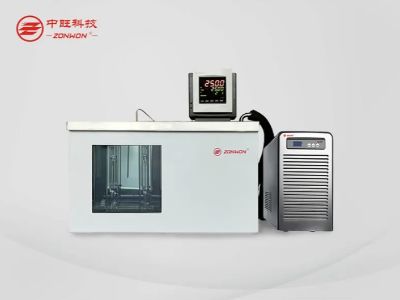
When we talk about polymers, we are discussing materials that are made up of long chains of molecules. Polymers can be found everywhere, from plastic bottles to clothes to car parts. One important thing to know about polymers is their viscosity. Visc...
VIEW MORE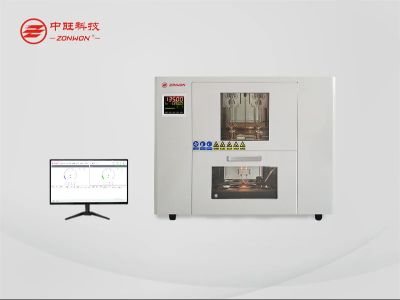
Intrinsic viscosity is an important concept in the world of polymers. When we talk about polymers, we mean large molecules made up of many smaller units. They are used in many products, like plastic bottles, toys, and fabrics. Knowing the intrinsic v...
VIEW MORE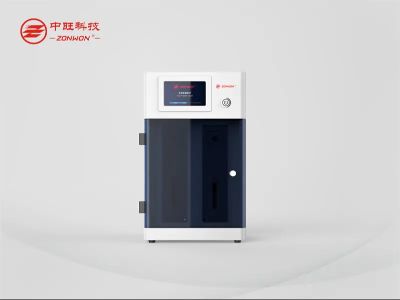
How Can You Overcome Pipetting Challenges with Protein-Rich Solutions? When working in a lab, scientists often need to move liquids from one place to another using a tool called a pipette. This tool makes it easier to measure and transfer small ...
VIEW MORE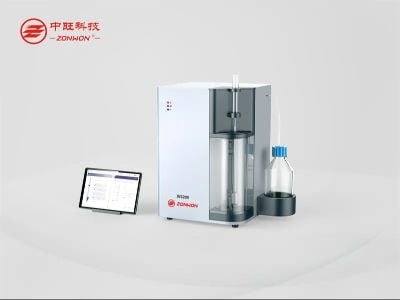
Pipettes are important tools used in laboratories to measure and transfer small amounts of liquid. When we calibrate pipettes, we want to make sure they work perfectly. Calibration is like tuning a musical instrument; it helps ensure that the pipette...
VIEW MORE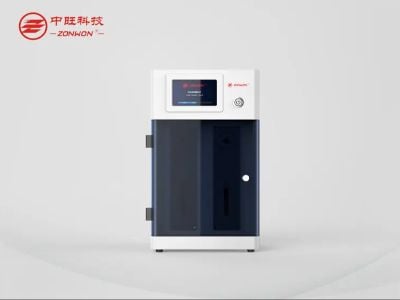
ISO 8655 Testing is important for making sure that pipettes work well and give accurate results. Pipettes are tools used in laboratories to measure and move liquids. When they don’t work correctly, it can cause big problems in experiments and tests. ...
VIEW MORE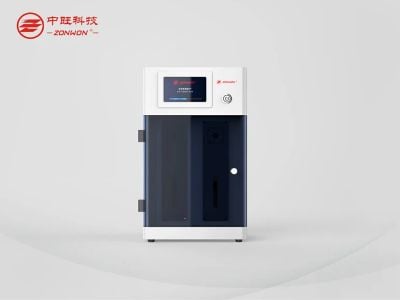
When working in labs, especially those regulated by Good Manufacturing Practices (GMP), using sterile pipetting solutions is very important. These solutions help ensure that samples and experiments are not contaminated. Contamination can ruin results...
VIEW MORE
In research laboratories, handling small amounts of liquid is very important. Researchers need to be careful when transferring tiny volumes, like microliters. If they do not measure correctly, it can lead to wrong results. This is why using the right...
VIEW MORE EN
EN