 EN
EN

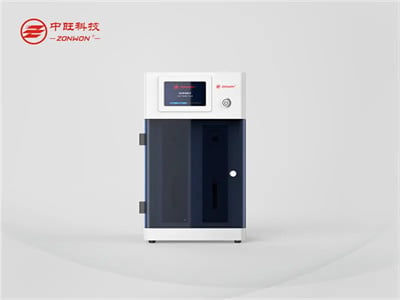
Pipette dispensers play a vital role in analytical, clinical and pharmaceutical laboratories. Their reliability has a direct impact on the accuracy of test results, yet they are usually only thought about when a problem occurs. A poorly maintained pipette can drift out of specification and result in inaccurate dispensing, waste reagents and invalid test results. It is not a choice, but a necessity, to ensure you keep your pipette dispensers performing optimally:
1. Establish a Regular Calibration Schedule
Calibration is the most important maintenance function to perform on pipette dispensers. Over time the springs within the pipette wear down, seals become damaged and internal parts move resulting in changes to the volume dispensed compared to what you set. Calibration frequency for pipettes will vary with use. A pipette dispenser that is used constantly (thousands of times per day) will need calibration every 3 months. One that is used moderately can often be calibrated every six months and pipettes that are not used regularly need calibrating annually and following any repair or impact. Pipettes are usually calibrated gravimetrically using a balance and distilled water at a constant temperature, recording results and checking they are within manufacturers specification for accuracy and precision, otherwise they should be serviced. An accredited external calibration service can be used, or alternatively a laboratory can calibrate its own pipettes using traceable reference standards.
2. Perform Daily and Weekly Operational Checks
Before starting critical work, run a quick accuracy check using a balance and water for any pipettes used. If results are within specification they should not need recalibrating, but if they fall outside they must be calibrated or serviced. Perform and record the results. Daily and weekly checks can be implemented, visually inspecting for signs of wear or contamination and ensuring correct operation.
3. Clean Pipettes Properly and Regularly
Contamination of pipette seals or piston will directly affect accuracy, making it advisable to keep all moving parts clean. The process of cleaning will vary according to pipette design and the type of samples dispensed. Ensure you are following the recommended cleaning procedures from your pipette manufacturer; avoid the use of harsh detergents or aggressive solvents as these can damage the plastic casing and its internal components.
4. Proper Storage and Handling to Prevent Damage
Do not leave your pipette with the plunger out, or horizontally with fluid inside; it will seep into the device causing corrosion of the metal piston. Always store the pipette in an upright stand, and ideally set to the highest setting; this reduces the stress placed on the spring thereby prolonging its accuracy. It is also worth noting how the pipette is used; depressing the plunger gently rather than slamming it and submerging the pipette tip to an appropriate depth in samples of less than 1000 µL can avoid potential internal damage from negative pressure caused by an excessively fast or too shallow insertion of the pipette tip in the sample. Dropping a pipette even at low levels may necessitate recalibration.
Summary
The correct method for maintaining pipette dispensers in order to achieve accuracy in test results and to avoid waste of valuable reagents includes calibration schedules and both regular operational checks and accurate cleaning. Contact us at Hangzhou Zhongwang Technology Co., Ltd. if you wish to invest in an automated pipette dispenser or liquid handling robot and other lab equipment.