 EN
EN

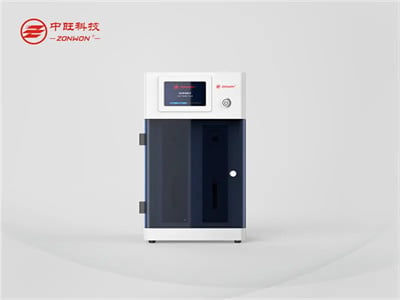
In analytical chemistry, clinical diagnostics, pharmaceuticals R&D and quality control labs, the precision of pipetting directly correlates to the accuracy of your test results. Pipetting just 1% too much or too little liquid can result in a false positive, an inaccurate potency measurement or a failed batch. Modern pipettes are capable of great precision, but you must first understand what is responsible for pipette precision, and then use the correct tools, to attain that precision. Why is precision in pipette dispensing important, and how do you achieve it?
1. Impact on Quantitative Analysis and Calibration Curves
Most analytical methods involve creating calibration curves from standard solutions. If your standards were created with an imprecision pipette, then all subsequent sample measurements will be inaccurate. For example, if you made a 2% error pipetting your standards, you will measure all sample concentrations as being 2% higher or lower than their actual value. For quality control labs producing pharmaceuticals where a specified range for active ingredient content is usually 95-105%, a 2% error means a lot of your error budget is gone before you even begin to consider the variability introduced by other steps.
Precision becomes even more critical when serial dilutions are involved. Small errors get compounded. A slight imprecision when pipetting the first dilution can translate to a considerable bias after three or four dilutions. When your method requires many serial dilutions-e.g. Bacterial enumeration, enzyme activity measurements, polymer solution preparation- automated liquid handlers and precision pipettes verified for accuracy are vital.
2. Reproducibility Across Operators and Laboratories
Manual pipetting is operator dependent; speed of aspiration, pipette angle, tip immersion depth and how completely the blow out stroke is performed can differ from person to person. Inter-operator pipetting variability was shown to represent 3-5% of the total measurement uncertainty in routine laboratory pipetting.
Automated liquid handlers and dispensers eliminate the between-operator error variability; when an automated process is programmed the instrument performs each aspiration and dispensing operation identically, irrespective of who hit the start button. This type of reproducibility is key to multi-site studies, contract research organizations and quality control labs where it is important to have consistent data, regardless of shift or site. Automated dispensers and liquid handlers from Hangzhou Zhongwang Technology achieve a high level of precision and a low level of operator interference so that results are transferable between labs.
3. Reducing Reagent and Sample Waste
Imprecise pipetting doesn't just affect the quality of your results; it wastes precious and expensive samples and reagents. High throughput screening, pharma R&D, and molecular biology applications may employ reagents costing hundreds or thousands of dollars per milligram. Pipetting 10% more of such a reagent than is necessary due to pipette imprecision adds up very quickly. Conversely, undershooting can mean redoing the entire experiment, effectively doubling your reagent cost.
Automated liquid handlers have the precision that allows for miniaturization and significant reagent cost savings while maintaining accuracy. Samples are precious and automated liquid handlers help conserve those as well, and are also cheaper and easier to dispose of than vast volumes of waste. For labs with high throughput, where thousands of samples are run each day, the overall cost savings due to precision can be tremendous.
4. Compliance with Quality Standards and Accreditation
Labs running under GLP, ISO 17025 or pharmaceutical regulations need to be able to demonstrate that their pipettes are calibrated and that their pipetting processes are controlled. Regular pipette performance verification using either gravimetric or photometric techniques is typically required. Records of calibration, maintenance and training are required.
Automated liquid handlers often have built-in verification features, electronic logs of all dispensed volumes and an audit trail of all activities performed by the instrument, helping to streamline compliance efforts. Inspectors looking for a well controlled pipetting procedure will be pleased to find an automated liquid handling system at work in the lab, and quality control labs that hold or seek accreditation will find automated liquid handling a good choice for simplifying and solidifying compliance.
Summary
Precision matters in pipette dispensing for accurate quantitative analysis, reproducible results between operators and labs, the conservation of precious samples and expensive reagents, and for ease of meeting the requirements of a quality standard or accreditation body. Well-calibrated pipettes, along with the use of automated liquid handling systems when appropriate, are critical in analytical testing, whether it's routine QC or cutting-edge method development. Hangzhou Zhongwang Technology Co., Ltd. has automated dispensers, automated liquid handlers, as well as viscometers, heating & stirring equipment, cooling constant temperature solutions, ashing furnaces, vacuum technology, capillary viscometer tubes and consumables. Contact us today to learn how automated liquid handling can help your lab attain precision in all its pipetting workflows.