 EN

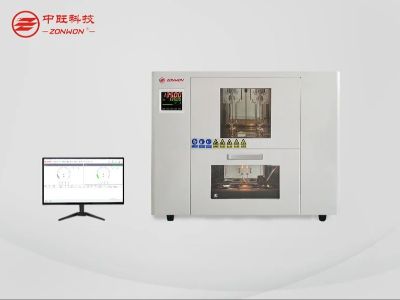
When we make products from polymers, it is super important to have a good understanding of the materials we are working with. Polymers can change a lot based on how they are made and what they are made of. A tool that helps us understand these changes is something called intrinsic viscosity. This measure tells us how thick or thin a liquid is when we mix it with a polymer. At ZONWON, we use intrinsic viscosity data to check how consistent our polymer batches are. This helps us make sure that every batch is the same and meets our quality standards. When we know how to use intrinsic viscosity tester, we can compare different batches and choose the one that will work best for our products.
How to Use Intrinsic Viscosity Data for Reliable Polymer Comparisons?
Using intrinsic viscosity data is like having a special magnifying glass to see the quality of our polymer batches more clearly. First, we need to measure the intrinsic viscosity of each batch. This is done by mixing a small amount of polymer with a solvent and then measuring how easily the mixture flows. The higher the intrinsic viscosity, the thicker the mixture. For example, if one batch measures 1.2 and another measures 0.8, we know that the first batch is thicker. This information helps us understand if the polymer is strong or weak. Next, we compare these measurements. If we have several batches, we can create a table to see which ones are similar and which ones are different. If two batches have very close intrinsic viscosity testing values, they are likely to behave similarly in products. This is important because if we use a batch with very different viscosity, it may not work well in our manufacturing process, leading to issues in the final product.
Also, when looking at intrinsic viscosity, we can spot trends over time. If we notice that our polymer batches are getting thicker or thinner, we can investigate why this is happening. Sometimes, it can be due to changes in raw materials or even in the manufacturing process. This insight can help us improve our operations. Lastly, we can also share this intrinsic viscosity information with our clients. When they know the quality of the polymer, they can trust us more. It builds a stronger relationship. By using intrinsic viscosity data wisely, we not only improve our products but also enhance our reputation in the industry.
Where to Find Accurate Intrinsic Viscosity Measurements for Polymers?
Finding accurate intrinsic viscosity measurements is crucial for making the best decisions about our polymer batches. At ZONWON, we have our own lab where we measure intrinsic viscosity. This ensures that we are getting consistent and reliable information. However, not every company has the same resources. So, where else can you look? One option is to check with academic institutions. Many universities have labs that perform these kinds of tests and might share their findings with businesses. They often publish their research, and you can find valuable information by looking at scientific papers related to polymers.
Another source is industry associations and trade groups. These organizations often conduct studies and gather data that can help companies. They may share average viscosity measurements for different types of polymers. This can give you a benchmark to compare your own results against. Additionally, you can also work with third-party testing labs. These labs specialize in material testing and can provide accurate viscosity measurements. It might cost a bit, but the investment can save you from using a poor-quality batch in your products.
Lastly, attending industry conferences can be a great way to learn more. Many experts discuss their findings and share their data in presentations. You can also network with others in the field who might point you to good resources. By using these various sources, you can find accurate intrinsic viscosity measurement that help ensure the consistency of your polymer batches, making your products the best they can be.
Insights from Viscosity Data
Intrinsic viscosity is an important measure in understanding how thick or runny a polymer is. When we look at data from intrinsic viscosity, we can learn a lot about the quality and consistency of different batches of polymers. Think of it like checking the thickness of honey or syrup. If one batch is too thick and another is too runny, they might not work the same way in products. At ZONWON, we use intrinsic viscosity data to compare different batches of polymer. This helps us make sure that every batch we produce is similar and meets our high standards. When we measure intrinsic viscosity, we can also find out how well a polymer can dissolve in a liquid. This is very important for creating products that work well together. If the viscosity is consistent, it means that the polymer will behave the same way in different products, making it easier for manufacturers to create reliable items. By tracking viscosity data, we can also spot problems early. For example, if one batch has a very different viscosity than the others, we can investigate why that happened. Maybe there was a mistake in the process, or the materials were not mixed properly. By keeping an eye on this data, we can ensure that our polymers are always top quality, which is what our customers expect from ZONWON.
What Factors Affect Intrinsic Viscosity in Polymer Manufacturing?
There are several factors that can change the intrinsic viscosity of polymers during manufacturing. One of the main factors is the temperature. When the temperature goes up, the polymer melts and flows more easily. This can make the viscosity lower. On the other hand, if the temperature is too low, the polymer can become thick and sticky. At ZONWON, we carefully control the temperature during production to make sure we get the right viscosity. Another important factor is the molecular weight of the polymer. Higher molecular weight means longer chains of molecules, which can make the polymer thicker and increase its viscosity. So, if we want a thicker polymer, we need to make sure it has a high molecular weight. The way we mix the materials also plays a big role. If we don’t mix everything well, some parts of the polymer can clump together, causing changes in viscosity. We always aim for a good mix to keep our polymers consistent. Lastly, the type of additives we use can affect viscosity too. Additives are extra materials that can change how the polymer behaves. For example, adding a plasticizer can make the polymer softer and less thick. At ZONWON, we choose our additives carefully to make sure they help create the right viscosity for our products. By understanding and controlling these factors, we can produce polymers with the desired viscosity, leading to better quality products.
What Role Does Intrinsic Viscosity Play in Polymer Quality Assurance?
Intrinsic viscosity plays a crucial role in ensuring the quality of polymers. At ZONWON, we believe that good quality means safe and reliable products for our customers. By measuring intrinsic viscosity, we can check if our polymers are made correctly and whether they will perform well in different applications. If the viscosity is not right, it could mean that the polymer will not work properly in the final product. This is why we include intrinsic viscosity checks in our quality assurance processes. When we find a batch with the correct viscosity, we can be more confident that it will behave the same way in the real world. This consistency is very important for manufacturers who rely on our polymers to create their products. If a manufacturer knows that every batch from ZONWON will have the same viscosity, they can plan better and avoid problems during production. Additionally, measuring intrinsic viscosity helps us to maintain our reputation for quality. If we ever discover a problem with viscosity in a batch, we can take action right away. This might mean adjusting the production process or investigating the materials we used. By staying on top of intrinsic viscosity data, we can ensure that every polymer we produce meets our high standards. This commitment to quality is what sets ZONWON apart and keeps our customers coming back for more.
Table of Contents
- How to Use Intrinsic Viscosity Data for Reliable Polymer Comparisons?
- Where to Find Accurate Intrinsic Viscosity Measurements for Polymers?
- Insights from Viscosity Data
- What Factors Affect Intrinsic Viscosity in Polymer Manufacturing?
- What Role Does Intrinsic Viscosity Play in Polymer Quality Assurance?