 EN

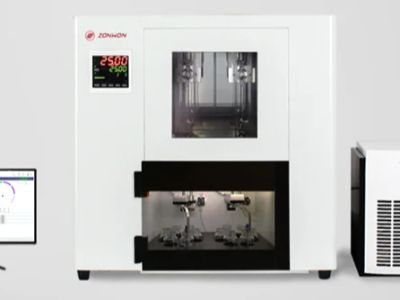
Intrinsic viscosity is an important term in the world of polyester fibers. It helps us understand how thick or thin a liquid is, especially when we talk about the materials used to make polyester. When we spin polyester fibers, the intrinsic viscosity tells us how well the fibers will form and how strong they will be. If the intrinsic viscosity is too low, the fibers might break easily. If it is too high, the fibers can get too thick and hard to work with. So, finding the right balance is crucial for making high-quality polyester fibers that are strong and flexible. At ZONWON, we know how important this is for our customers, and we focus on producing polyester fibers that have just the right intrinsic viscosity for the best performance.
What is Intrinsic Viscosity and Its Role in Polyester Fiber Quality?
Intrinsic viscosity is a measurement that shows how a liquid behaves when it flows. In the case of polyester fibers, it helps us understand how the material reacts during the spinning process. When making polyester, the raw material is melted and then turned into fibers. If the intrinsic viscosity is low, the melted polyester flows too easily, which might lead to weak fibers. This can cause problems, especially in products that need to be strong, like clothing or ropes. On the other hand, if the intrinsic viscosity is too high, the melted polyester becomes very thick. This makes it hard to spin into fibers, and the final product may not turn out well. For example, if you try to spin a thick syrup, it would be messy and hard to work with. That’s why understanding intrinsic viscosity is key to creating high-quality polyester. At ZONWON, we carefully check the intrinsic viscosity measurement of our materials to ensure they are just right for spinning. This attention to detail helps us produce fibers that are durable and reliable. Our experience in manufacturing has taught us how to find the best viscosity for different applications, making our polyester fibers suitable for various uses.
Where to Source High-Quality Polyester Fibers with Optimal Intrinsic Viscosity?
Finding high-quality polyester fibers with the right intrinsic viscosity can sometimes be tricky. It’s important to choose a reliable source that understands the needs of the industry. ZONWON is one such place where you can find polyester fibers that meet these standards. We focus on sourcing materials that have been tested for their intrinsic viscosity. This means that we ensure our fibers are not too thick or too thin, making them perfect for spinning into strong and flexible products. When you look for polyester fibers, it’s helpful to ask questions about how they were made and whether they have passed quality checks. You might also want to check if the supplier has a good reputation in the industry. At ZONWON, we take pride in the quality of our fibers. We work with trusted suppliers who understand the importance of intrinsic viscosity tester. This way, you can be sure that the polyester fibers you get from us will perform well in your applications. Whether you need fibers for making clothes, upholstery, or any other products, we aim to provide the best options for our customers.
What Wholesale Polyester Fiber Products Offer Superior Spinning Performance?
When we talk about polyester fiber products, we mean the materials used to make clothing, carpets, and many other items we see every day. At ZONWON, we provide high-quality polyester fibers that are perfect for spinning. Spinning is a process that turns polyester into long threads or yarn. The better the quality of the fiber, the easier and better the spinning will be. Wholesale polyester fiber products from ZONWON are designed to have very few defects. This means they don’t break easily during the spinning process. If fibers are strong and smooth, they can be spun into yarn without any issues. This makes the final product softer and more comfortable for people to wear.
Additionally, ZONWON's polyester fibers are made to be consistent in size and shape. When fibers are uniform, they can be spun together more easily, creating a stronger yarn. A strong yarn is important because it can handle everyday use without falling apart. This is why many manufacturers choose ZONWON's polyester fibers. They know that they will get a high-quality product that will perform well during spinning. In turn, this leads to better clothing and textiles. Moreover, ZONWON focuses on creating fibers that are also lightweight. Lightweight fibers are easier to work with, which helps speed up the spinning process. This efficiency is crucial for factories that need to produce large amounts of product in a short time. Overall, ZONWON’s wholesale polyester fiber products are a top choice for anyone looking to create high-quality textiles that are durable and comfortable.
How Intrinsic Viscosity Affects the Durability of Polyester Fibers in Production?
Intrinsic viscosity is an important term when we talk about making polyester fibers. It measures how thick or thin a liquid is. In the case of polyester, intrinsic viscosity tells us about the length of the fibers. Longer fibers are usually stronger. When making polyester, the way we control intrinsic viscosity can change how durable the final product will be. At ZONWON, we pay close attention to this because we want our fibers to last. If the intrinsic viscosity is too low, the fibers can break easily. This is not good for making strong textiles. On the other hand, if it is too high, the fibers can become too thick and hard to work with during spinning.
To create durable polyester fibers, ZONWON aims for a perfect balance in intrinsic viscosity. This means our fibers are long enough to be strong but still manageable for spinning. When fibers have the right intrinsic viscosity testing, they can handle stress better. This means they won't fall apart when used in clothing or other items. A durable fiber can resist wear and tear, which is important for items that people use daily. For example, clothes that are made from high-quality polyester fibers can last for years. This not only benefits the customer but also helps the environment by reducing waste. So, understanding and controlling intrinsic viscosity is crucial for making polyester fibers that are long-lasting and reliable.
How to Improve Polyester Fiber Spinning by Understanding Intrinsic Viscosity?
To make the best polyester fibers, we need to understand intrinsic viscosity and how it can help improve the spinning process. At ZONWON, we believe that knowledge is power. By learning about intrinsic viscosity, we can create fibers that are easier to spin and have better quality. One way to improve spinning is by testing the intrinsic viscosity of the fibers before they are spun. This allows us to see if the fibers are too thin or too thick. If they are not right, we can adjust the way we make the fibers. This might mean changing the temperature or the chemicals we use.
Another way to improve spinning is to use technology that measures intrinsic viscosity in real-time. With this technology, we can make adjustments as we go. This means we can always have the right viscosity, which will help us produce high-quality fibers every time. Additionally, training workers on the importance of intrinsic viscosity can make a big difference. When everyone understands how it affects the spinning process, they can work together to create the best polyester fibers possible. At ZONWON, we are committed to using all of these methods to ensure our polyester fibers are top-notch. By focusing on intrinsic viscosity, we can improve our spinning performance, create better products, and satisfy our customers. This is how we continue to be a leader in the polyester fiber industry.
Table of Contents
- What is Intrinsic Viscosity and Its Role in Polyester Fiber Quality?
- Where to Source High-Quality Polyester Fibers with Optimal Intrinsic Viscosity?
- What Wholesale Polyester Fiber Products Offer Superior Spinning Performance?
- How Intrinsic Viscosity Affects the Durability of Polyester Fibers in Production?
- How to Improve Polyester Fiber Spinning by Understanding Intrinsic Viscosity?