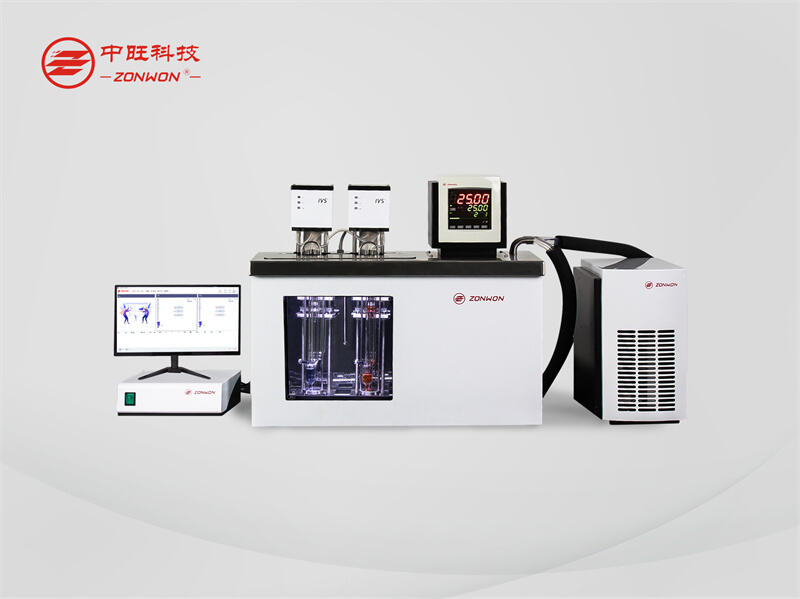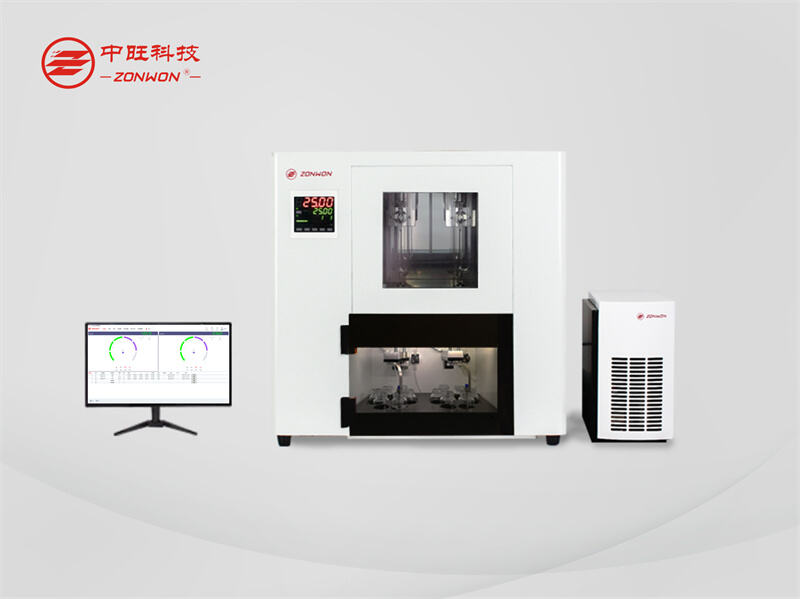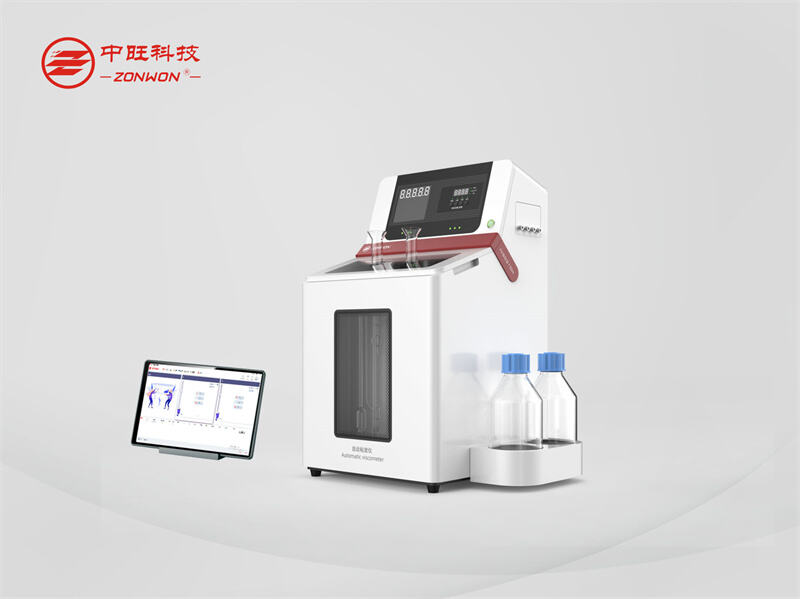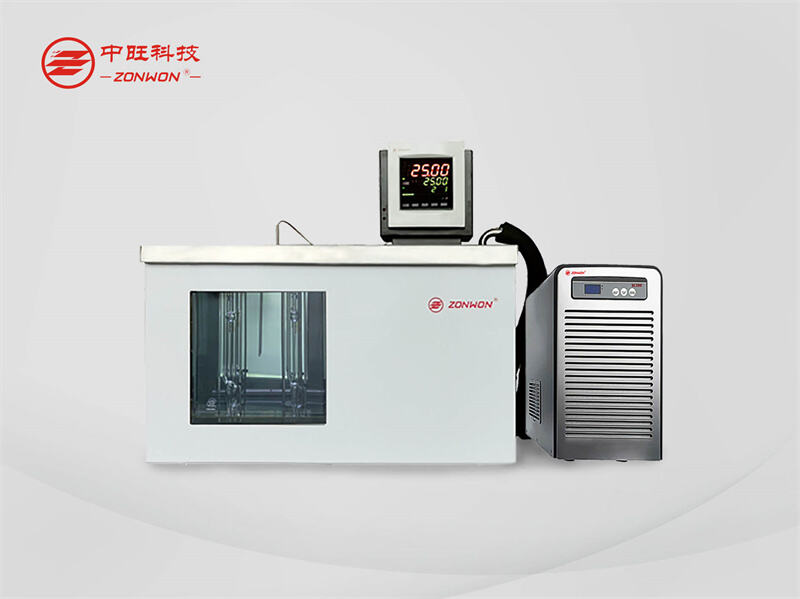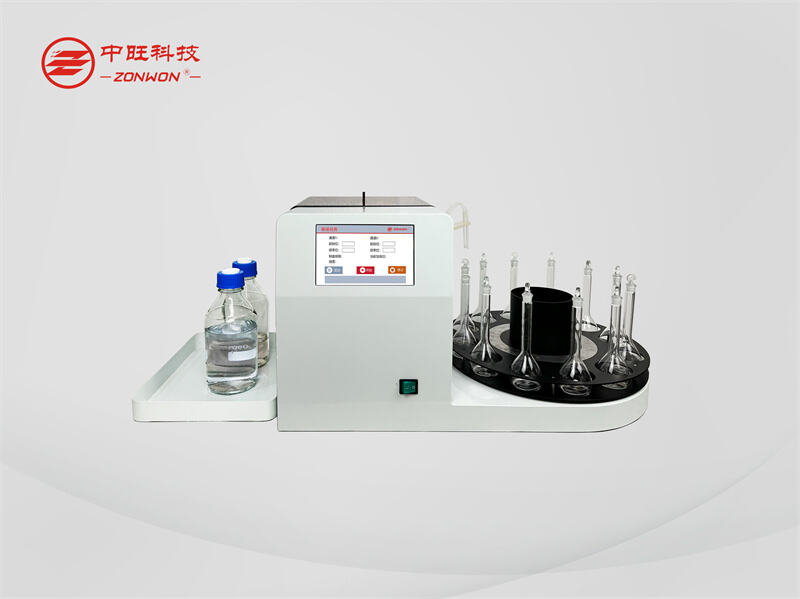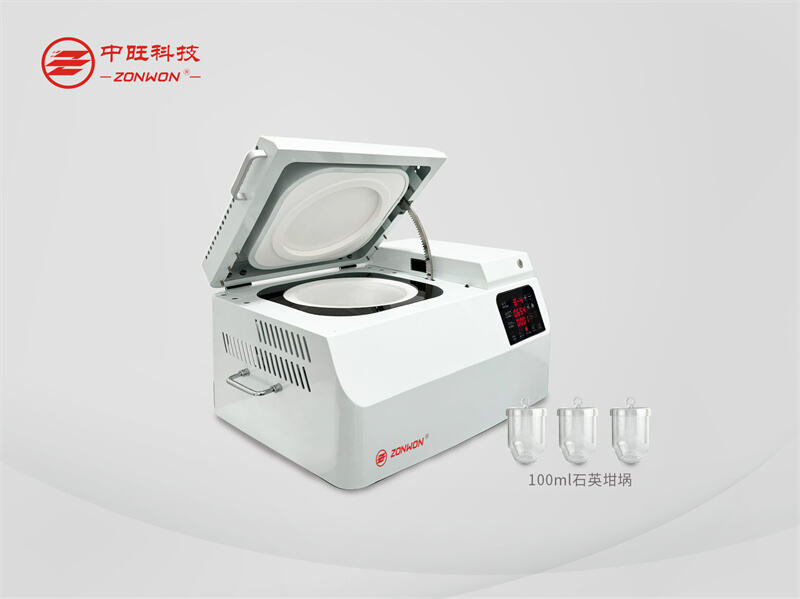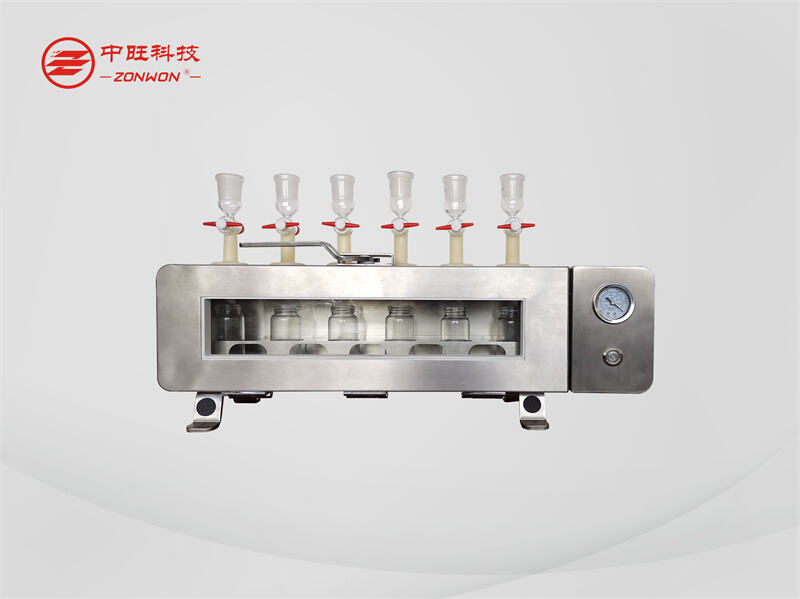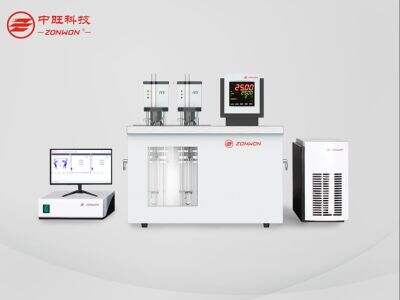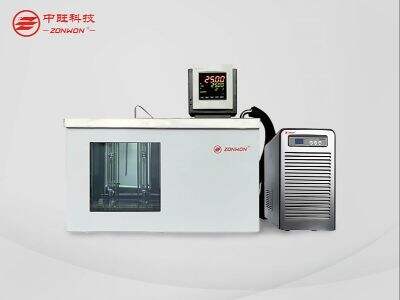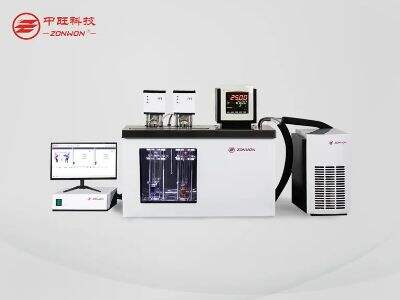
Intrinsic viscosity testing is an extremely helpful tool in the production process, especially for a firm like ZONWON. Our Viscometers basically measure a liquid's resistance to flow, which is very important for making products that can really deliver their functions. In the case of intrinsic viscosity testing, we are mainly concerned with how the thickness of a liquid changes when you mix something with it or if you heat it. Such tests are important because they reveal a lot about the quality of the materials we use in our products. If a liquid is too viscous, it may not flow adequately through devices resulting in problems. Thus by having an understanding of intrinsic viscosity we can develop products that are more effective, which also satisfy our customers' requirements.
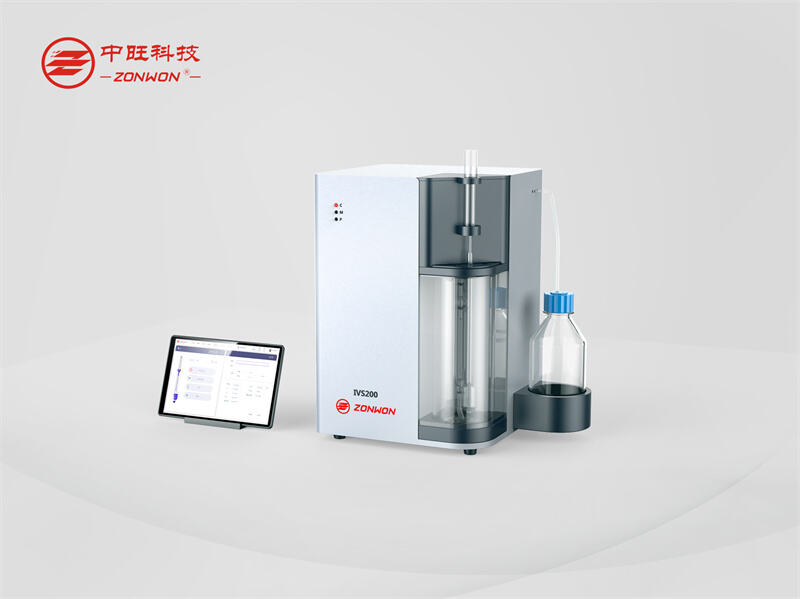
Polymers were the first materials constituted of long molecular chains. We see them literally everywhere in our daily life, from plastic bottles and clothes right down to toys. A polymer manufacturer needs to determine the exact viscosity of a polymer solution before producing such items that is how thick or thin it is. Hence, intrinsic viscosity testing was developed. A solid intrinsic viscosity measurement would yield the correct intrinsic viscosity and thus, assist a manufacturer in making the right choice of polymer application.
For instance, a greater intrinsic viscosity implies that the polymer chains are longer and more knotted which results in a thicker solution: all these factors lead to an increase in thickness. This can be great for some products, such as sturdy plastic. However, a lower intrinsic viscosity indicates the presence of shorter chains and hence a more diluted solution which might be more helpful for things like coatings or films. By measuring intrinsic viscosity, manufacturers get an idea of which kind of polymer is suitable for the task at hand. ZONWON provides reliable testing, thus enlightening companies about their products.
Moreover, the inherent viscosity of a material to be used for laminar flow plays a crucial role in determining the quality of the end product. A manufacturer of products without testing the material in this case, is probably risking producing goods that will disappoint customers. For instance, if the plastic is very thick, it may not flow easily during the production process, hence resulting in waste and increased costs. Besides, through intrinsic viscosity testing, manufacturers are able to guarantee that their products meet the standards thus saving time and money. Hence, an intrinsic viscosity tester is very crucial in determining the intrinsic viscosity and thus ensuring the production of quality goods.
There is a myriad of things that affect the measurement of intrinsic viscosity in different materials. Out of the whole, temperature is a notable one. It is clear that a change in temperature of a polymer solution can affect the molecular flow. For example, when the polymer is at a higher temperature, the chains may be more flexible thus their intrinsic viscosity reading goes down. On the other hand, freezing temperatures would make the chains behave as if they were more tightly bonded, which also gives a higher measured viscosity. Therefore, it is very essential that companies like ZONWON keep the temperature under control during the test so as not to make an error in their readings.