 EN

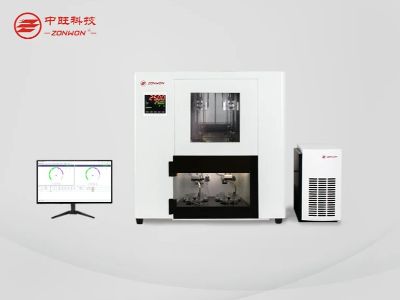
When it comes to making products from polymers, understanding how they dissolve is very important. Sometimes, the process of dissolving a polymer isn't perfect. This is called incomplete polymer dissolution. When this happens, it can change how we measure something called intrinsic viscosity testing. Intrinsic viscosity is a way to understand how thick or runny a liquid is. If the polymer doesn’t dissolve fully, it can create bubbles or lumps, making the liquid thicker in some spots and thinner in others. This not only affects the accuracy of our measurements but also how well the final product works. At ZONWON, we know that having the right viscosity is key to making sure our products meet the highest standards.
What Is Incomplete Polymer Dissolution and Its Impact on Viscosity?
Incomplete polymer dissolution happens when a polymer, which is a type of large molecule used in many products, does not fully mix with the solvent (the liquid that dissolves it). For example, if you try to dissolve sugar in water and some sugar remains at the bottom, that’s similar to what happens with incomplete polymer dissolution. This can change how the liquid behaves. If we want to measure the intrinsic viscosity, we need to do it when the polymer is fully dissolved. When it is not, the intrinsic viscosity measurement can be off. Imagine trying to measure how thick a soup is when you still have big chunks of vegetables floating around. This could lead to incorrect conclusions about how the soup (or polymer solution) will perform in real life.
When measuring viscosity, if the polymer is not fully dissolved, you may get higher readings than expected. This is because the undissolved parts are making the liquid thicker. For example, if you were trying to mix a glue and some of it was still in solid form, the glue would seem stickier than it actually is. This can confuse people about how strong or effective the glue will be once it’s used. That’s why it's so important to ensure polymers are completely dissolved before testing their intrinsic viscosity. ZONWON ensures that all our polymers are fully dissolved to provide accurate viscosity measurements, leading to better product performance.
What Wholesale Buyers Need to Know About Intrinsic Viscosity Distortion?
For wholesale buyers, knowing about intrinsic viscosity distortion is crucial. When they choose products, they want to ensure the items will work as expected. If a polymer is not properly dissolved, it can lead to problems in the final product. For instance, if a buyer orders paint, but the polymer in the paint wasn't completely dissolved, the paint could dry unevenly or not stick well. This means unhappy customers and returns.
Buyers should ask manufacturers about their processes for ensuring complete polymer dissolution. At ZONWON, we prioritize this step. We have special methods to ensure that all polymers are fully dissolved before we measure viscosity. This way, when our products reach wholesale buyers, they can trust that they will perform consistently.
Furthermore, buyers should be aware of the signs of incomplete dissolution. If a product seems thicker or has strange textures, it might be a sign that something went wrong in the production process. Buyers should feel empowered to ask questions and seek transparency from their suppliers. By understanding the importance of complete polymer dissolution and its effect on intrinsic viscosity, wholesale buyers can make better decisions and ultimately provide better products to their customers. At ZONWON, we are dedicated to helping our partners succeed by offering only the highest quality digital viscosity meter products.
How to Identify Common Usage Issues in Polymer Solutions for Better Results?
When working with polymers, which are long chains of molecules, it’s important to know how they dissolve in liquids. Sometimes, when we try to mix them, they don’t dissolve completely. This can cause problems when we measure their viscosity, which tells us how thick or thin the liquid is. If the polymer is only partly dissolved, the results we get can be wrong. To identify these problems, we need to watch for a few signs. First, look for clumps or particles floating in the solution. If you see these, it means the polymer hasn’t dissolved fully. Another sign is if the solution looks cloudy or murky. A clear solution usually means that the polymer is dissolved well. It’s also important to check the temperature. If the liquid is too cold, the polymer might not dissolve properly. Always make sure you’re using the right temperature for the specific polymer you’re working with. Lastly, pay attention to how you mix the solution. If you don’t stir it enough, or if you stir it too quickly, the polymer might not dissolve well. Using a gentle, steady motion can help. At ZONWON, we recommend taking your time when mixing polymers, so you can get the best results. By spotting these common issues early, you can ensure that your polymer solutions are ready for accurate testing.
What Steps Can Be Taken to Ensure Accurate Viscosity Testing?
To get the right viscosity measurements for your polymer solutions, it’s important to follow some simple steps. First, start with high-quality polymers from trusted sources like ZONWON. Using good materials means you’re less likely to have problems. Next, make sure you measure the polymer and the liquid correctly. Use a scale for the polymer and a measuring cup for the liquid. The right mix is crucial. If you add too much polymer, it might not dissolve, and if you add too little, the results won’t be accurate. Once you have your mixture, let it sit for some time. This helps the polymer dissolve completely. You can gently stir it during this time to help the process. After that, use a viscometer, which is a special tool for measuring viscosity. Make sure to follow the instructions carefully. Different polymers might need different settings on the viscometer, so check those details. It’s also helpful to run the test more than once and take the average of your results. This way, if one test was off, you can still get an accurate reading. Finally, if you notice anything unusual during the process, like bubbles or changes in color, don't ignore them. They can affect your results. By taking these steps, you can ensure that your viscosity testing is accurate and reliable.
How to Avoid Common Pitfalls in Polymer Dissolution for Optimal Quality?
When dissolving polymers, it’s easy to make mistakes that can affect the quality of your solution. To avoid these pitfalls, start by choosing the right solvent for your polymer. Not all polymers dissolve in the same liquids, so check the recommendations from ZONWON to find the best match. Using the wrong solvent can lead to incomplete dissolution. Next, pay attention to how you prepare your solution. Always add the polymer to the solvent, not the other way around. This helps the polymer dissolve better. If you pour the solvent onto the polymer, it might clump together and not mix well. Also, consider the order of mixing. If you add any additives or chemicals, do so after the polymer is fully dissolved. This helps maintain the quality of your solution. Temperature is another important factor. Make sure the solvent is at the right temperature before you start mixing. If it’s too cold, the polymer may not dissolve, and if it’s too hot, it could change the properties of the polymer. Finally, be patient. Sometimes it takes time for the polymer to dissolve completely. Rushing the process can lead to poor results. By following these tips, you can avoid common mistakes and ensure that your polymer solutions are of the highest quality. Remember, the quality of your polymer solution is essential for accurate viscosity testing, and ZONWON is here to help you achieve the best results.
Table of Contents
- What Is Incomplete Polymer Dissolution and Its Impact on Viscosity?
- What Wholesale Buyers Need to Know About Intrinsic Viscosity Distortion?
- How to Identify Common Usage Issues in Polymer Solutions for Better Results?
- What Steps Can Be Taken to Ensure Accurate Viscosity Testing?
- How to Avoid Common Pitfalls in Polymer Dissolution for Optimal Quality?