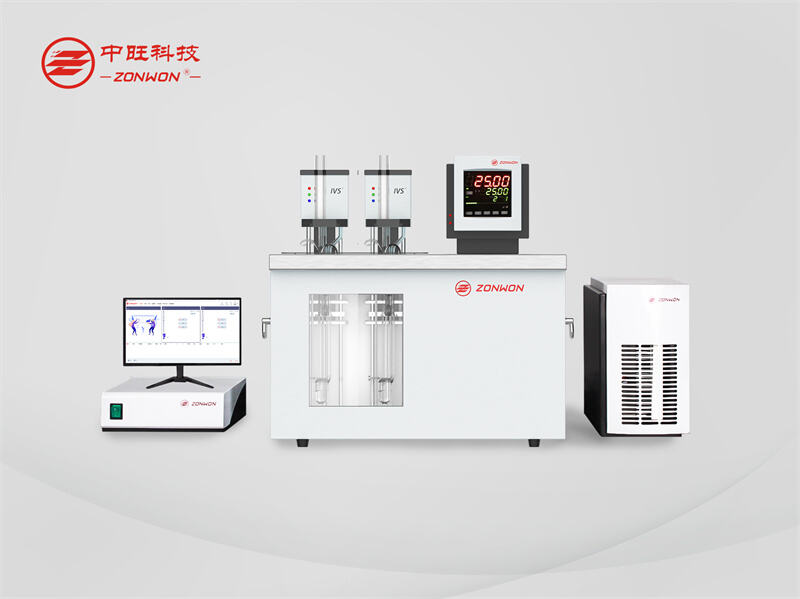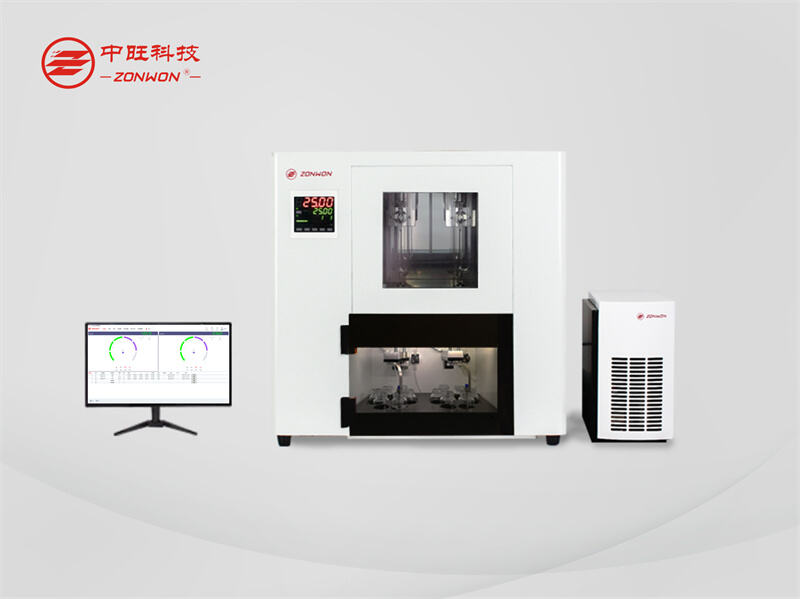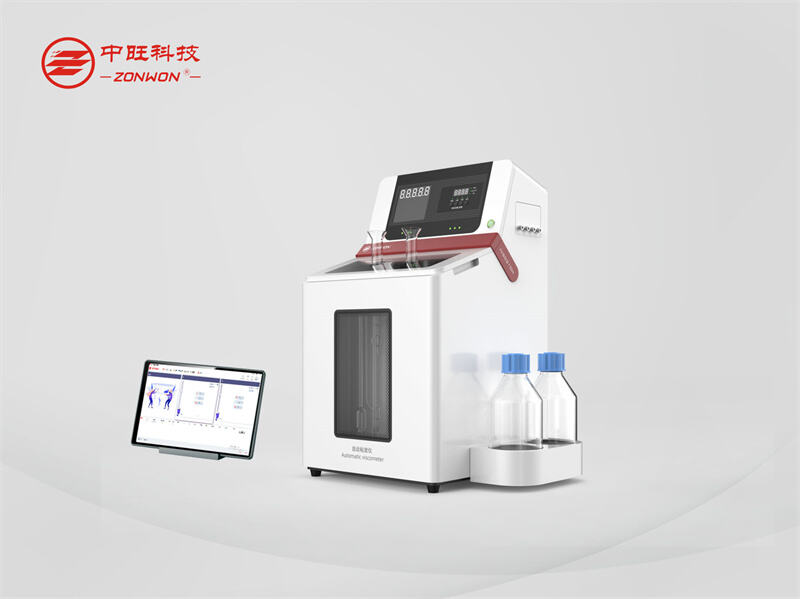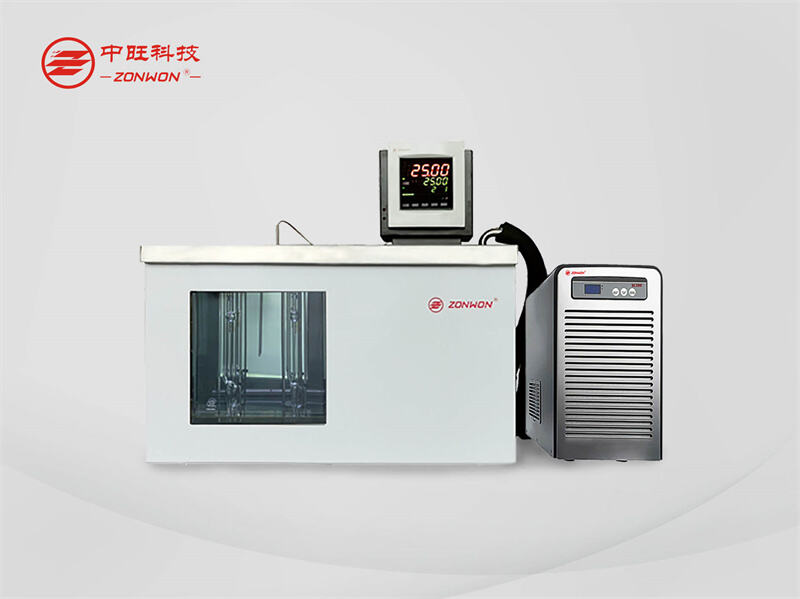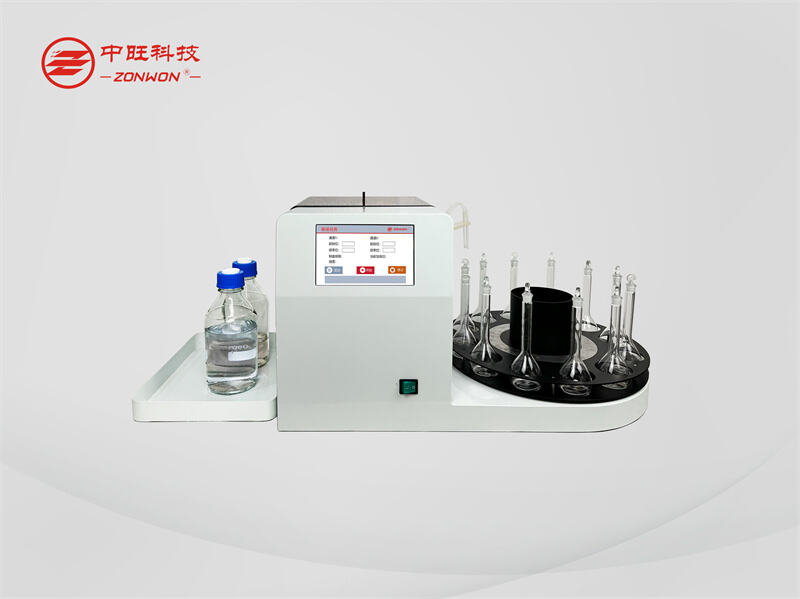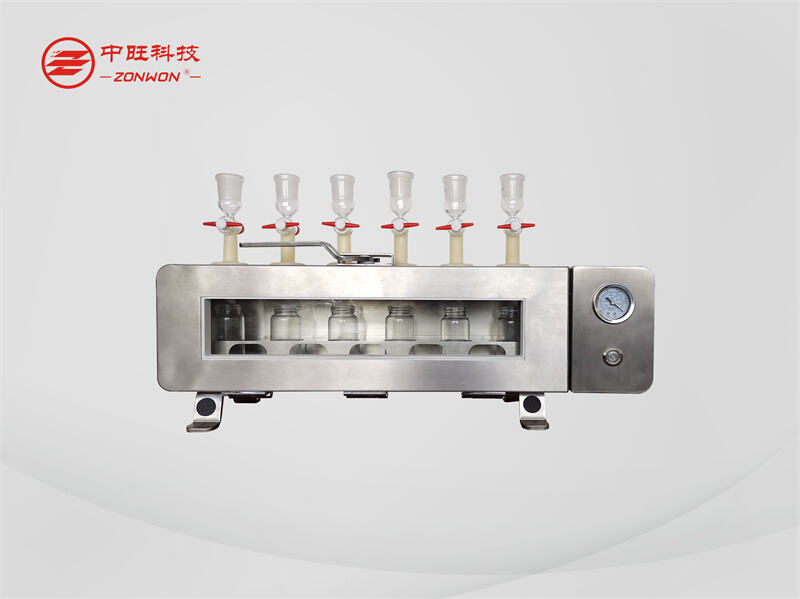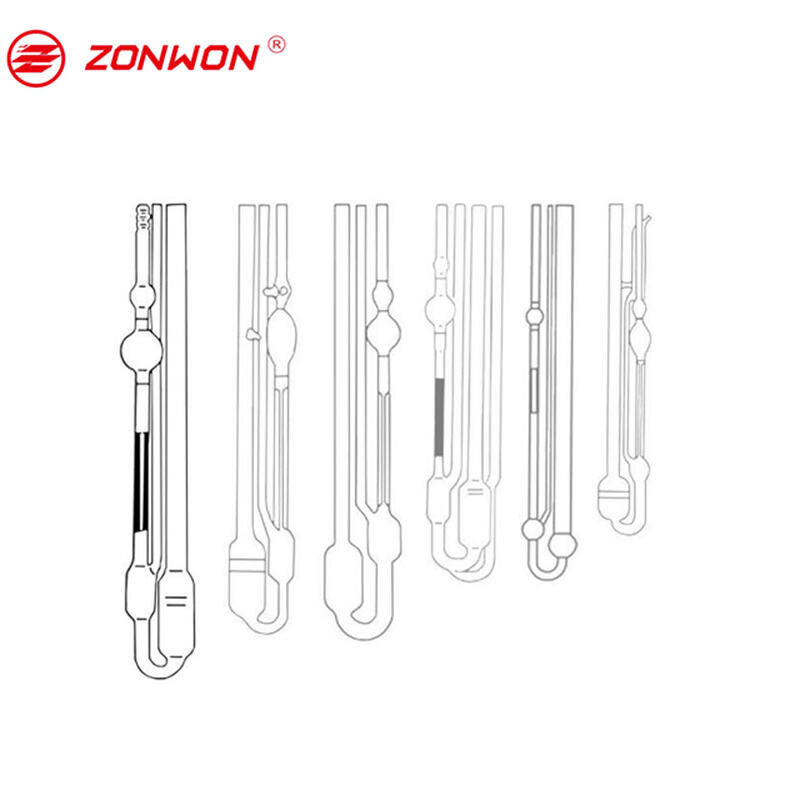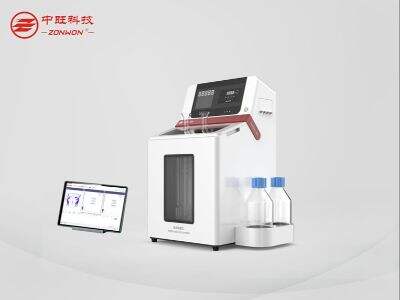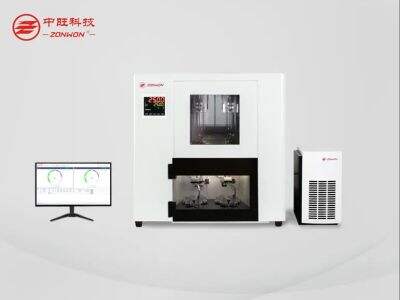
Viscosimeters are the major instrumentation in the oil industry. They assist in measuring the thickness or thinness of oil, which is called its viscosity. It is important to know the viscosity of oil for several reasons. First, it influences how oil goes through pipes and machinery. Thick oil can damage engines or other equipment. If it’s too thin, it might not provide adequate protection for the parts. Which is why people that work with oil need reliable viscosity testers. They can make certain that their use of oil is just right for its purpose. At ZONWON, we know how important these fuel oil viscometer are, and we offer oil industry supplies that workers can rely on.
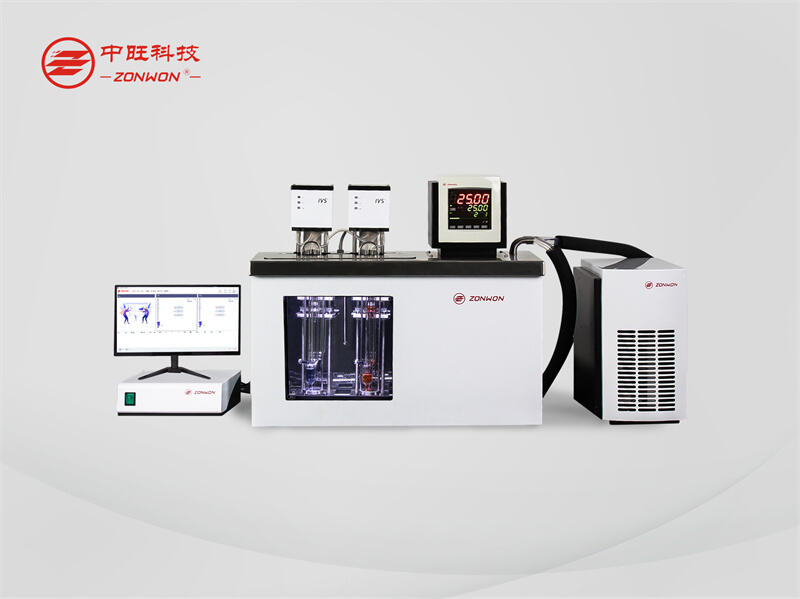
Finding wholesale projects for viscosity testers can be a major breakthrough for businesses in the oil industry. Buying in bulk is generally a sure way to save money. Among the best places to look is the internet. While a large payment is probably not negotiable, a lower bulk price may be. At ZONWON, we provide attractive pricing for clients who wish to buy several oil viscometer at once. Calibration of your viscosity tester is imperative for its accurate operation. Using ZONWON viscosity testers, you can determine the viscosity of oil
Therefore, you need a clean working area and the right temperature to start. First, gather the items you need: the tester and a standard oil sample plus your thermometer. Standard oils are a type of oil specially characterized by their thickness. They enable you to check your tester.
First, you should start the viscosity tester and give it some time for the heat to stabilize. While it is heating, measure the temperature of your usual oil. Because viscosity varies with temperature, you need to confirm that the oil is at the right temperature. Most of the viscosity measurements are carried out at 40 degrees Celsius (104 degrees Fahrenheit). Use the thermometer to check the temperature of your oil. If it is very hot or cold please wait until it reaches a good temperature.
Pour the standard oil in the viscosity meter and allow it to flow. Refer to your ZONWON tester manual for the quantity of oil to use. Only start the tester AFTER you have poured it in. The tester will measure how easily the oil flows. Once the test is finished, check the outcomes on your display. You can then relate this measurement to the viscosity of the standard oil you used. If your oil viscosity tester readings align with the standard, then it is calibrated. Otherwise, you may have to adjust the settings on your tester.
Lastly, you can use a viscosity tester to make an informed decision. If you are familiar with the viscosity of various oils, you may select a suitable one for your particular situation. Whether you are managing oil used in cars, trucks or other types of machinery, having a precise viscosity reading allows you to make smarter decisions. This results in better performance and responsiveness. In essence, a viscosity tester is a smart investment for anyone who cares about their machines and use the right oil.