EN
EN
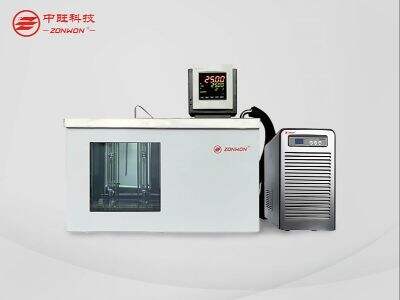
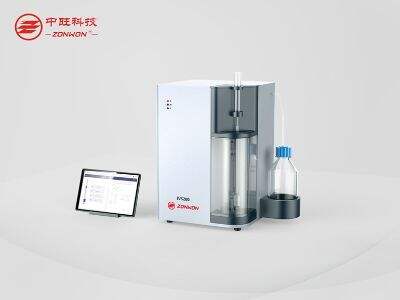
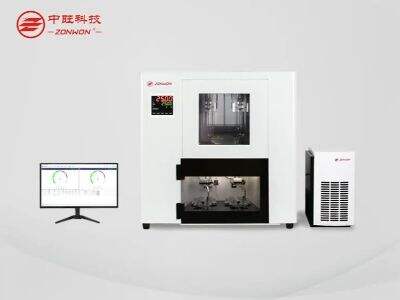
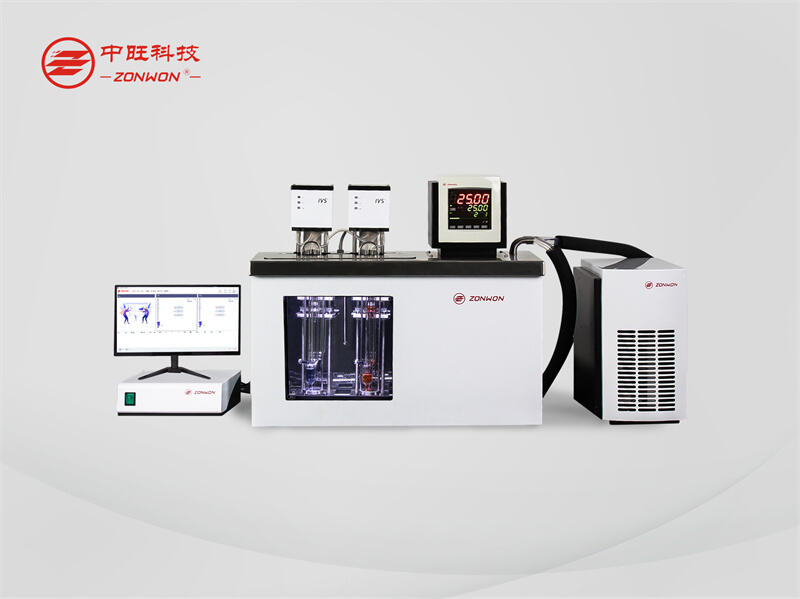
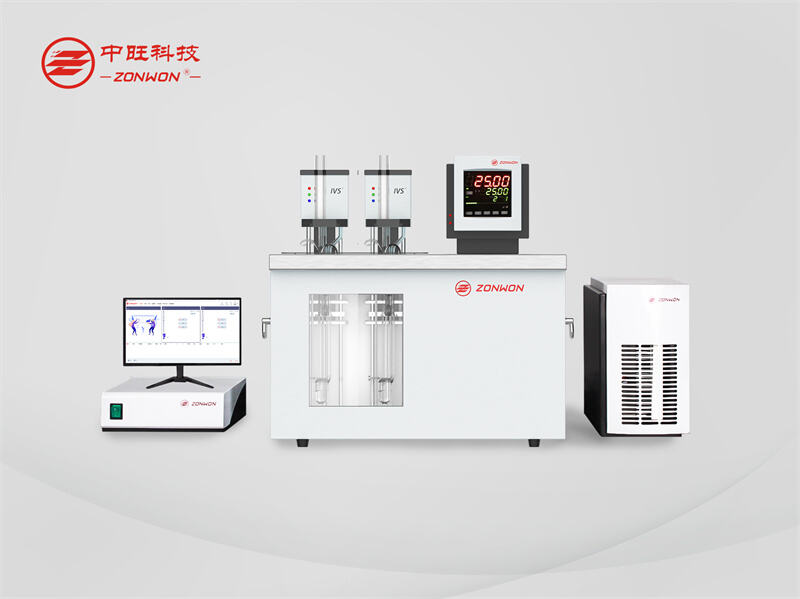
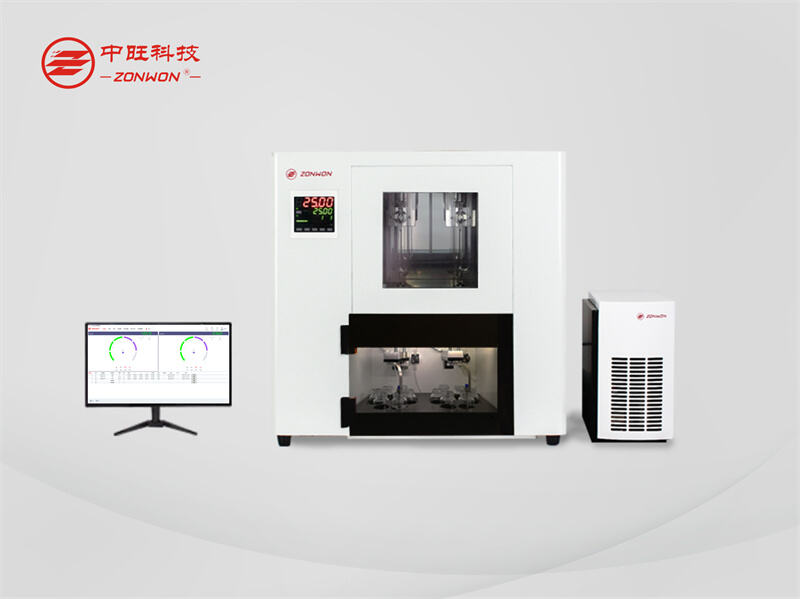
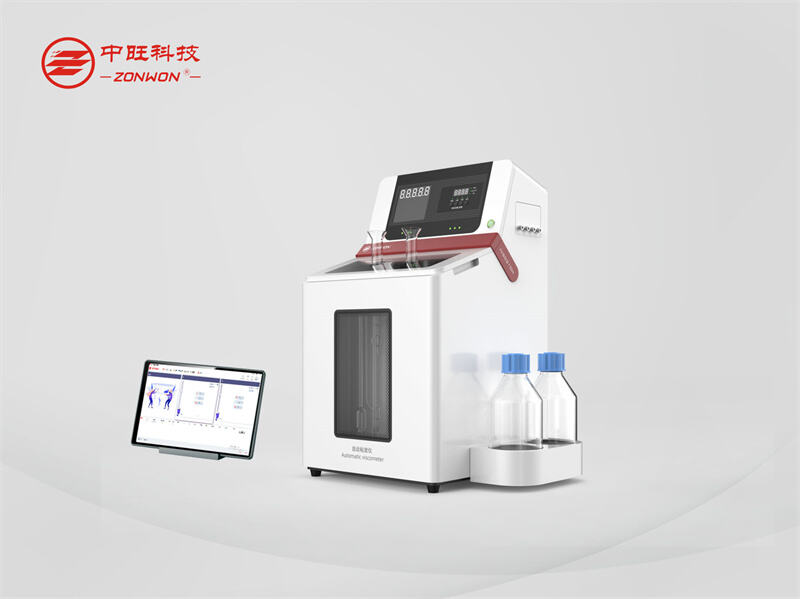
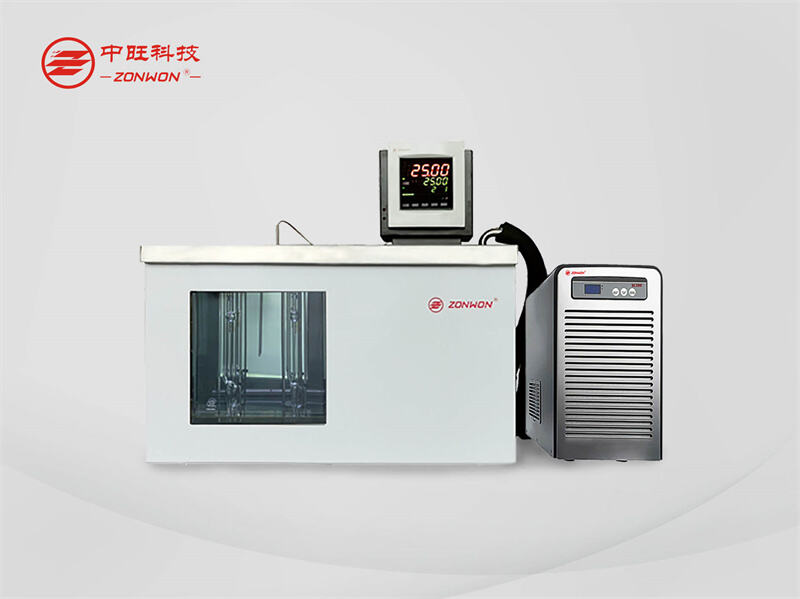
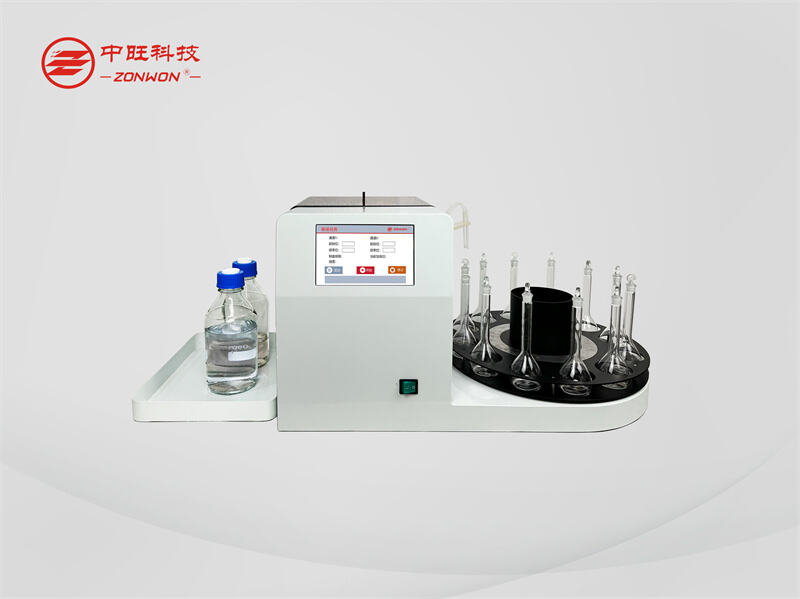
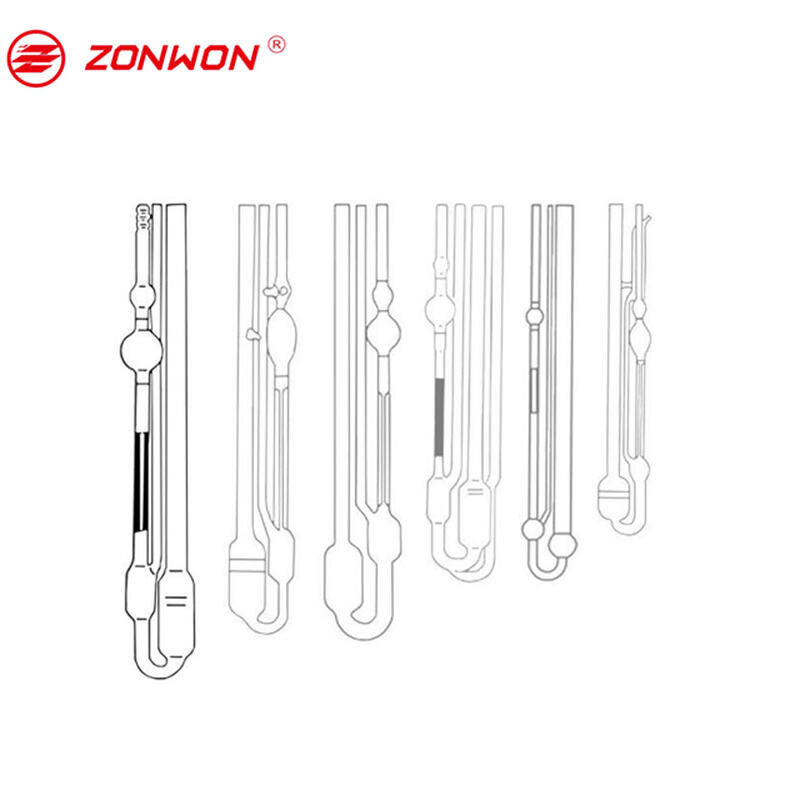
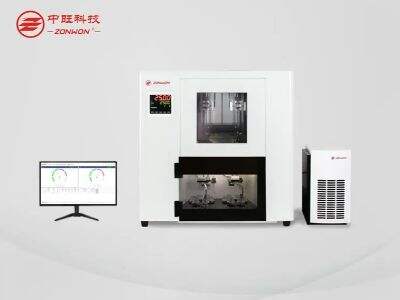
Viscosity testers are key tools used to measure how thick or “thin” oil is. But this thickness, called viscosity, is also crucial in how oil behaves in machines and engines. Too-thick oil can make engines work harder, possibly leading to damage. A too-thin oil won’t do enough to protect the engine parts. This is exactly why having an Oil Viscometers are essential to make sure that oil is right on the money for a specific job. ZONWON have a high quality oil viscosity testing equipment can easily help you to get accurate results each time.
Pipettes and Dispensers Manufacturer vs Trader: Wholesale Comparison
When it come to pipettes and dispensers, there is two main kind of businesses: manufacturers and traders. ZONWON focus on making high-quality pipettes and dispensers which used in labs and some other industry. Knowing difference between manufacturer ...
View More