EN
EN

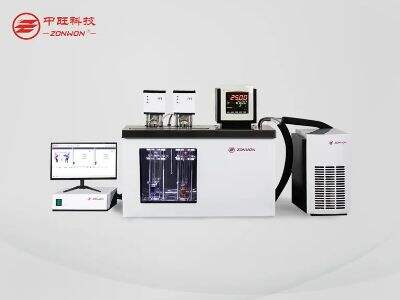
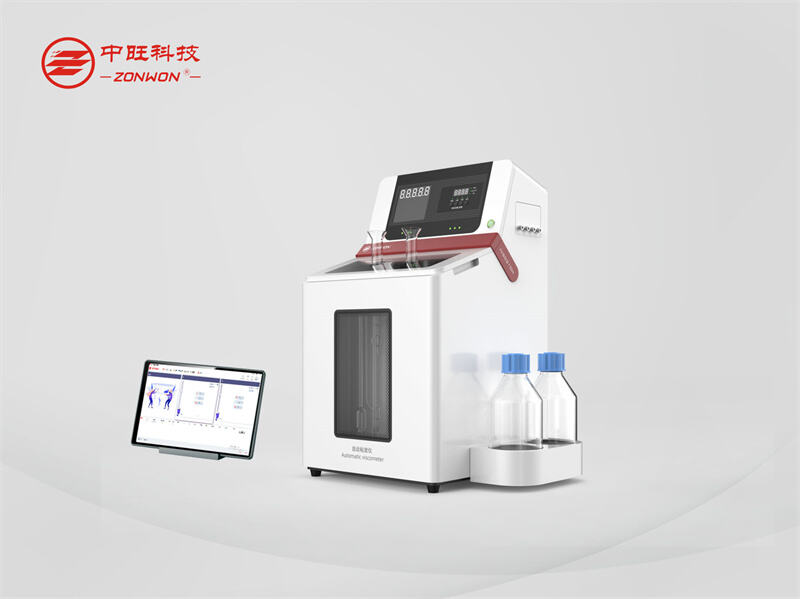
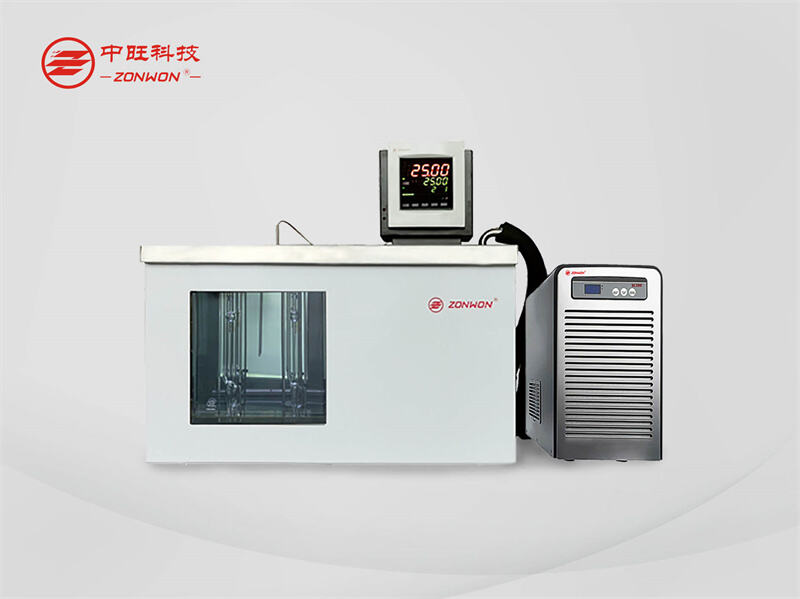
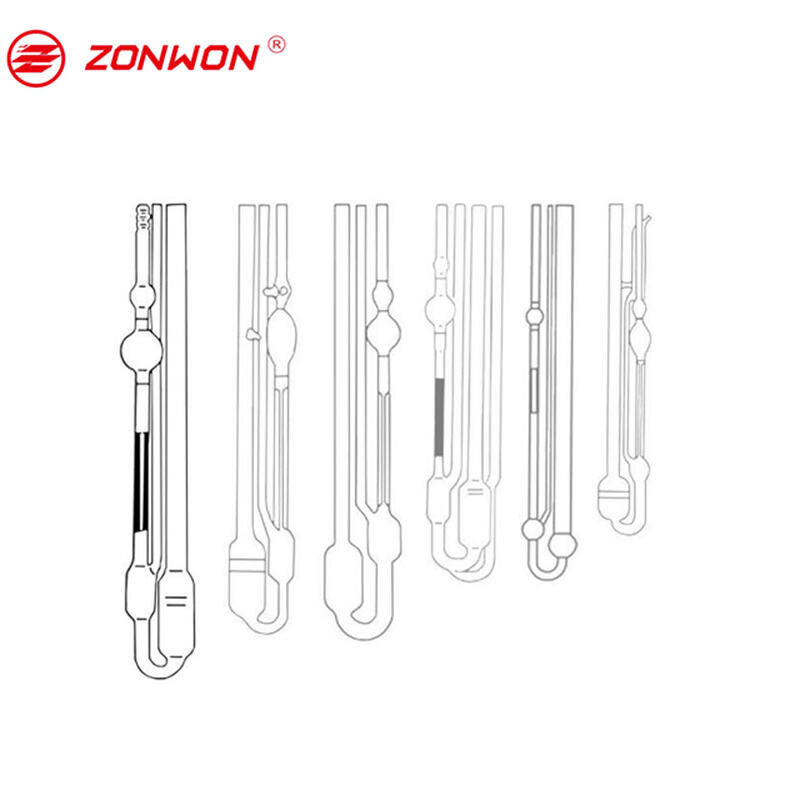
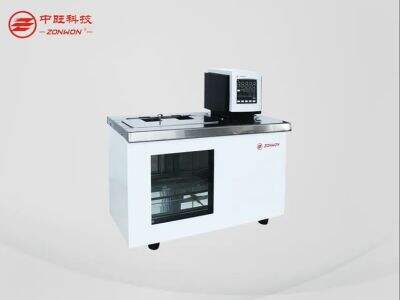
Engine oil viscosity testers are valuable instruments and used to determine the thickness or thinness of an engine oil. This thickness is called viscosity. It is the viscosity of oil that determines how freely it flows in a car engine. When it’s too thick, the oil can make the engine work harder than it should. Too thin, and it may not offer adequate protection of the engine. The proper viscosity is critical to keep the engine running as designed. ZONWON's oil viscometer can help you do that to see if it's not too thin or thick in sink for engine oil. Using these testers can help you better maintain your car.
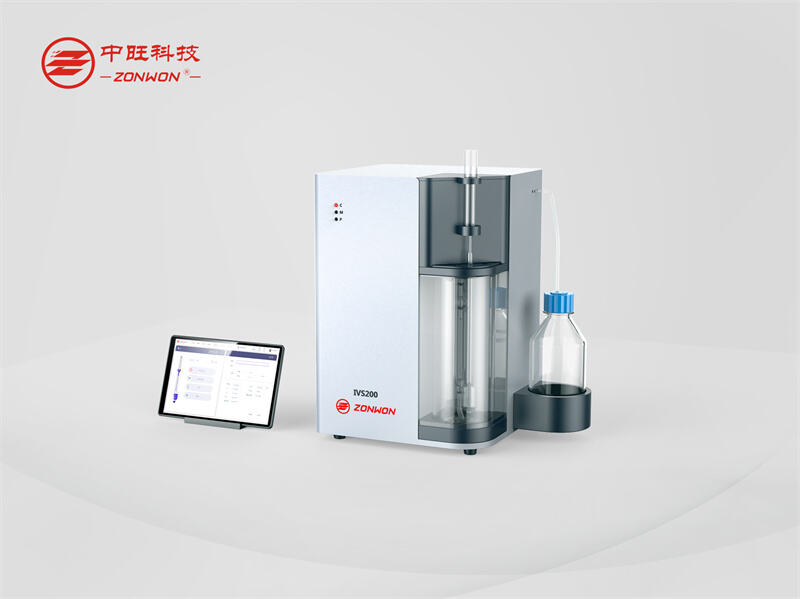
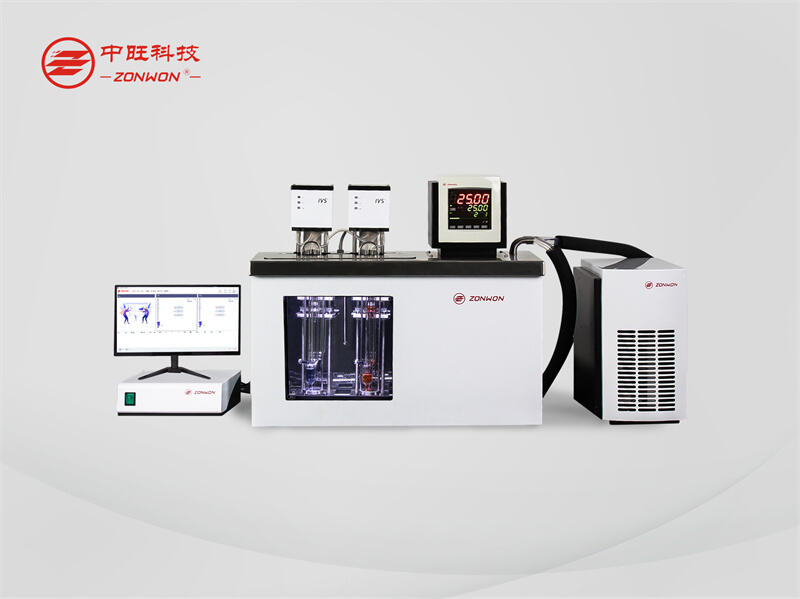
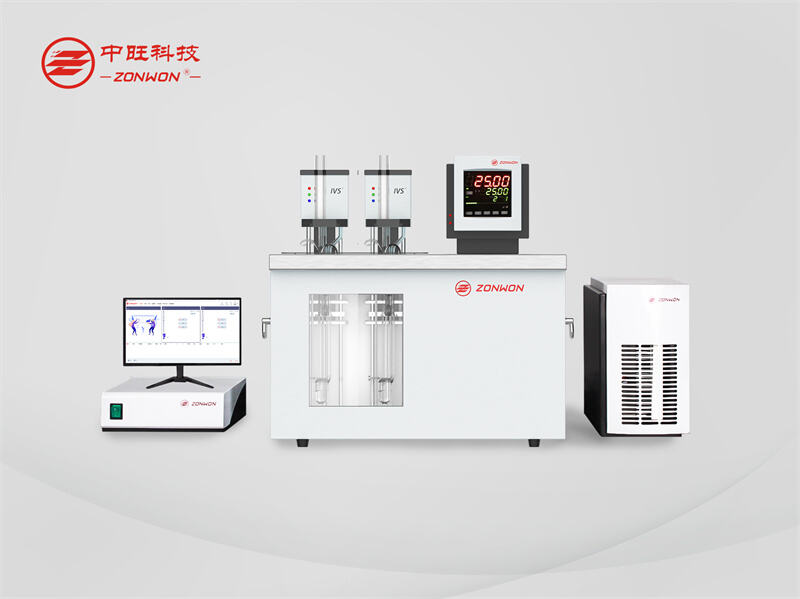
7.Comparing Manual and Automatic Intrinsic Viscosity Meters for Bulk Orders
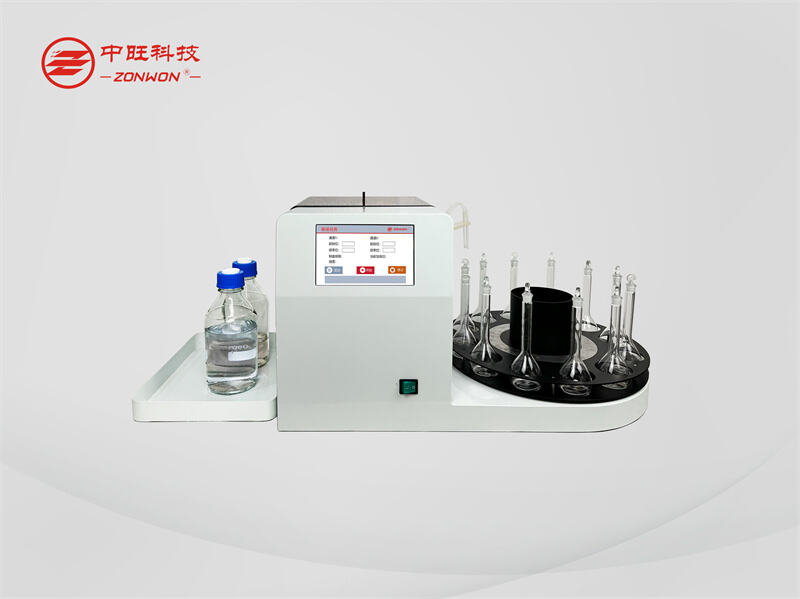
When it comes to measure how thick or thin liquid is, intrinsic viscosity meters are really important. These devices help industries to see how materials will behave when they mix together. ZONWON make this kind of automatic viscometer, and it’s good...
View More