 EN
EN

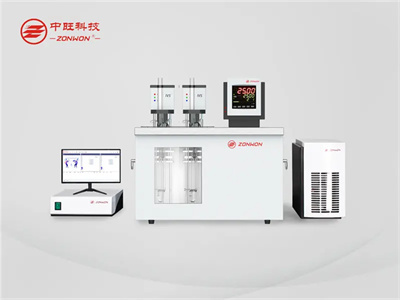
In manufacturing of resin, measurement of intrinsic viscosity is extremely important for quality control, which are usually evaluated through some basic parameters to understand whether material has performance that should be there. Among many indicators for determining quality of polymer, intrinsic viscosity is undoubtedly very important figure, since intrinsic viscosity reflects, through the direct proportion to molecular weight, characteristics of processing, mechanical properties and final performance of resin. Hangzhou Zhongwang Technology Co., Ltd. Which is recognized nationally as high-tech enterprise owning over 80 independent intellectual property rights is committed to automatic viscometry to make resin manufacturers precisely control this index.
The Role of Intrinsic Viscosity in Polymer Characterization
Mark-Houwink equation relates intrinsically viscosity to molecular weight of polymer, allowing this latter parameter, often indirectly used for its determination. When it’s high molecules are long, vice versa when it’s low molecules are short. High molecular weight (and thus higher intrinsic viscosity) leads to better mechanical resistance, higher melting temperature and easier handling: intrinsic viscosity is commonly used index for material’s control of intrinsic quality.
As for example of polyethylene terephthalate, value of intrinsic viscosity are among 0.73 and 0.86 dL/g bottle grade and lower values for fiber grade applications; while for polyamide intrinsic viscosity controls molecular weight in relation to drawing processes, whereas for PC or engineering plastics it determines appropriate melt characteristics of material for injection.
Therefore, monitoring IV allows manufacturers to detect process deviations early, as it reflects changes during polymerization before they affect final product quality.
Impact on Processing Behavior and Production Efficiency
Melt behavior of resin during processing is controlled by molecular weight, which is represented by intrinsic viscosity. Higher melt viscosity increases cost of processing in terms of speed of extrusion and time of injection molding cycles as well as power consumption for higher molecular weight materials. Lower melt viscosity results in easier flowing resins but may lack mechanical strength to satisfy many performance demands.
Manufacturers, who are molding their parts with polymers must, specify correct intrinsic viscosity for their process and also perform inline, inline or inline tests of intrinsic viscosity in order to be able to ensure consistency of their production.
Inaccurate polymerization temperature or time, incorrect moisture control, or deviations from normal parameters will result in alterations to molecular weight, which is not discoverable until subsequent physical and quality control testing of part is performed, which can result in expensive scrap or remanufacturing. By measuring real time, intrinsic viscosity, manufacturers are able to detect deviations and make corrections at point in production that problems originate and they, as well as environment, save money through less scrap and less waste. This is especially true of continuous processes for production of polymers, wherein quality of ongoing production is dependent on precise control of polymerization conditions.
Quality Assurance and Customer Satisfaction
Tests for Intrinsic Viscosity of Resins are routinely used to confirm the quality of the resin in compliance with customer specifications. When the intrinsic viscosity is tested per lot of material produced it serves as validation that the material produced has the molecular weight specified between producer and consumer, easing commerce of resin globally. It assures end users of the uniformity of their own operations and provides assurances that process adjustments and their related processing variations are attributed to customer’s manufacturing, not theirs.
The intrinsic viscosity testing helps customers achieve these goals because fluctuations in molecular weight results in variations to the resins’’ molecular size distribution causing inconsistencies in: Melt flows Fiber Draw Processability Of Products Molded.
The following are some of the areas where intrinsically viscous resins are routinely employed. When producing product for global market, the appropriate intrinsic viscosity test procedure must be in compliance with the standard for that geographical market in order to assure compliance.
Supporting Recycling and Circular Economy
Polymers are susceptible to degradation, drop in intrinsic viscosity, and molecular weight loss during the processes they undergo. This decreases the quality of recycled polymers but if resin manufacturers wish to create superior quality recycled products, it's crucial that they maintain the intrinsic viscosity at sufficient level for the desired application.
Recycled PET and intrinsic viscosity measurement When performing solid-state polycondensation-a process to help return the intrinsic viscosity of recycled PET after it’s been degraded from heat exposure- accurate measurement helps companies track exactly how the molecular weight of their recycled materials are recovering.
It allows them to guarantee the quality of recycled polymers are equivalent to virgin polymers and they don’t need as much virgin polymers to produce. The benefits for product manufacturers If producer incorporates recycled materials into the products they make, intrinsic viscosity gives them the specific values to use to ensure their virgin and recycled materials blend in perfectly. With consistent total intrinsic viscosity in the mixture, they ensure product performance while striving for greener industry.
Summary
This all shows that intrinsic viscosity has significant impact on resin production, namely that it acts as good indicator of molecule weight, that it has direct impact on processing behavior, and the maintenance of quality control of the products, and can be used for resin recycling production. Maintaining the stability of the value of intrinsic viscosity would have critical role for the manufacturer of high-grade resin. Hangzhou Zhongwang Technology co., Ltd are honor to help manufactures of resins to promote product quality through innovative automatic viscometer which guarantee operation continuity and product consistency. Call us to more detail info.