 EN
EN

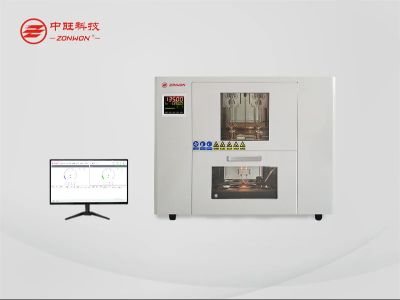
Intrinsic viscosity is an important concept in the world of polymers. When we talk about polymers, we mean large molecules made up of many smaller units. They are used in many products, like plastic bottles, toys, and fabrics. Knowing the intrinsic viscosity helps us figure out how these materials will behave—like how thick or thin they are when we use them. For a company like ZONWON, understanding intrinsic viscosity is key to making sure our products are of the best quality. If we don't measure it correctly, the final products might not work as intended. This could lead to problems for our customers, and that is something we always want to avoid.
What Is Intrinsic Viscosity and Why It Matters for Polymer Quality?
Intrinsic viscosity is a measure of how a polymer behaves in a solution. It tells us about the size and shape of the polymer molecules. When we dissolve a polymer in a liquid, it can change the liquid’s flow. This change is what we measure to find the intrinsic viscosity. If the viscosity is too high, the polymer can be too thick, which may make processing hard. If it’s too low, the polymer might not be strong enough for its purpose. For example, think of honey and water. Honey is thick like a polymer with high viscosity, while water flows easily like one with low viscosity. In the world of ZONWON, we aim for the right balance. If our polymers have the wrong intrinsic viscosity, they could cause issues in the production process or in the final product. This means we need to measure intrinsic viscosity carefully to ensure high-quality products. It can also help us predict how the polymer will behave when mixed with other materials. This is especially important in making things like composite materials, where different substances are combined to create something new.
Where to Measure Intrinsic Viscosity for Optimal Polymer Quality Control?
Measuring intrinsic viscosity is usually done in a lab. For ZONWON, we have special equipment that helps us do this accurately. We can use different methods, like using a viscometer, which is a device that measures the flow of liquids. It helps us see how thick or thin our polymer solution is. This is important because it can guide us in making the right adjustments in our production process. If we notice that the viscosity is off, we can change the conditions, such as temperature or the concentration of the polymer. This lets us fix any issues before they become bigger problems in production. Regular checks are important, too. By measuring intrinsic viscosity measurement at different stages, we can keep track of the quality. If we find any changes in viscosity, we can look into why. Maybe there was a mistake in mixing, or perhaps the raw materials we used were not right. By understanding where to measure and how, ZONWON can maintain high-quality standards and keep our customers happy with reliable products.
In the end, intrinsic viscosity is a vital part of making sure our polymers are just right. It helps us understand how they’ll work in real life, making it a key factor in quality control. By measuring this at the right spots and using the right tools, ZONWON ensures that we deliver top-notch products that meet our customers' needs.
What Are the Common Issues in Measuring Intrinsic Viscosity?
When it comes to making polymers, measuring something called intrinsic viscosity is very important. Intrinsic viscosity helps us understand how thick or runny a liquid is. It shows us how the polymer chains are arranged and how they behave in a solution. However, there are some common problems that people face when they try to measure intrinsic viscosity. One big issue is that the temperature can change the results. If the temperature is not steady, it can make the liquid thicker or thinner, leading to wrong measurements. Another problem is that different types of polymers can act differently. For example, if we are working with a new kind of polymer, we might not know how it will react in the solution. This can cause confusion and make it hard to get the right numbers. Sometimes, the equipment used to measure intrinsic viscosity tester can also cause issues. If the machines are not calibrated properly, they can give incorrect readings. This is why it's crucial to ensure that the tools and machines from ZONWON are always checked and set up correctly. Additionally, the liquid used in the testing must be clean and free from bubbles. Even tiny bubbles can change how the liquid flows, which affects the measurements. Another challenge is the time it takes to get results. Sometimes, people need to wait a long time for the measurements to come back, which can slow down the whole process of making polymers. Because of these issues, it is very important to be careful and follow the right steps when measuring intrinsic viscosity.
How to Address Common Challenges in Intrinsic Viscosity Testing?
To solve the problems with measuring intrinsic viscosity, there are a few steps we can take. First, it is essential to keep the temperature stable. Using special machines that control the temperature can help us get more accurate results. For example, ZONWON offers equipment that can maintain a consistent temperature during tests, which reduces errors. Another important step is to use the right kind of solvent. The solvent should be clean and suitable for the specific polymer we are testing. This way, we can minimize any surprises that might come from the chemical reactions between the solvent and the polymer. Regular maintenance of the measuring equipment is also crucial. This means checking the machines often to make sure they are working correctly. If there are any issues, they should be fixed right away. Training the people who operate the machines is equally important. They need to understand how to use the equipment properly and know what to look for to avoid mistakes. This training can include learning how to prepare samples and recognizing the signs of contamination. Finally, documenting the process is key. Keeping a record of each test can help identify patterns or recurring problems. If something goes wrong, looking back at the records can help find out why it happened. By taking these steps, we can tackle the common challenges of intrinsic viscosity testing and improve the quality of our polymer production.
What Are the Benefits of Monitoring Intrinsic Viscosity in Polymer Manufacturing?
Monitoring intrinsic viscosity in polymer manufacturing has many benefits that help improve the quality of the final products. First, keeping an eye on intrinsic viscosity helps ensure that the polymers have the right properties. Polymers with the correct viscosity are easier to work with and perform better in their final applications. For example, if a polymer is too thick, it may not flow properly when being shaped into products. On the other hand, if it is too thin, it may not be strong enough. By regularly checking intrinsic viscosity, companies like ZONWON can make sure they are producing polymers that meet the required standards.
Another benefit is that monitoring intrinsic viscosity can help save time and money. When manufacturers know how their polymers behave, they can make adjustments early in the process. This means they can avoid wasting materials and reduce the number of defective products. If a problem is caught early, it can be fixed without causing delays or increasing costs. Finally, keeping track of intrinsic viscosity testing can also help with research and development. By understanding how different factors affect intrinsic viscosity, companies can create new and improved polymers. This knowledge can lead to innovative products that meet the changing needs of customers. In a world where new ideas and technologies are constantly emerging, being able to adapt quickly is a big advantage. Overall, monitoring intrinsic viscosity is essential for creating high-quality polymers, saving resources, and fostering innovation in the industry.
Table of Contents
- What Is Intrinsic Viscosity and Why It Matters for Polymer Quality?
- Where to Measure Intrinsic Viscosity for Optimal Polymer Quality Control?
- What Are the Common Issues in Measuring Intrinsic Viscosity?
- How to Address Common Challenges in Intrinsic Viscosity Testing?
- What Are the Benefits of Monitoring Intrinsic Viscosity in Polymer Manufacturing?