 EN
EN

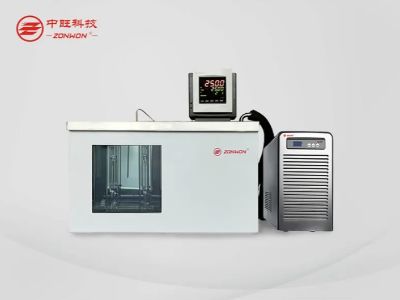
When we talk about polymers, we are discussing materials that are made up of long chains of molecules. Polymers can be found everywhere, from plastic bottles to clothes to car parts. One important thing to know about polymers is their viscosity. Viscosity is a measure of how thick or thin a liquid is. In polymer testing, understanding different types of viscosity, like relative, specific, reduced, and intrinsic viscosity tester, is important for knowing the quality and behavior of these materials. At ZONWON, we focus on polymer performance, helping companies understand how to measure these properties accurately.
What Is Relative Viscosity and Why It Matters for Polymer Quality?
Relative viscosity is a way to compare the viscosity of a polymer solution to the viscosity of a pure solvent. Imagine you have a glass of water and you add some honey to it. The honey makes the water thicker, or more viscous. Relative viscosity helps us see how much thicker the solution is compared to just water. This is important because it tells us how well the polymer will flow or behave in different situations. For example, if the relative automatic viscosity meter is very high, it might mean the polymer is too thick to be useful in some products, like glue or paint. On the other hand, if it's too low, the polymer might not hold up well under stress or temperature changes. At ZONWON, we know that testing relative viscosity is crucial for ensuring the right quality of polymers. It helps manufacturers decide how to use their materials effectively, leading to better products and fewer problems down the line.
How to Accurately Measure Specific Viscosity in Polymer Testing?
Specific viscosity is another important concept. It gives a clearer picture of how the polymer behaves in a solution. To measure specific viscosity, you need to know the relative viscosity and the concentration of the polymer in the solution. The formula is pretty simple: you subtract the viscosity of the solvent from the viscosity of the polymer solution and then divide by the concentration. This helps us understand how the polymer interacts with the solvent. For instance, if you’re making a new type of paint, knowing the specific viscosity can help you create a formula that flows nicely but also sticks to surfaces well. It’s kind of like baking; if you don’t have the right amount of ingredients, your cake might not turn out right. At ZONWON, we emphasize the importance of accurate measurements in polymer testing. By using precise tools and techniques, we can help our clients create better products that meet their needs. Whether it’s for medical devices, automotive parts, or consumer goods, understanding specific viscosity can lead to innovations that improve our everyday lives.
Understanding Viscosity Measurements
Viscosity is a way to measure how thick or sticky a liquid is. Imagine honey and water. Honey is thick and flows slowly, while water is thin and flows easily. In the world of polymers, which are materials made of long chains of molecules, understanding viscosity is very important. There are different types of viscosity measurements that scientists and engineers use to learn more about how these materials behave. One type is called relative viscosity. This tells us how the viscosity of a polymer compares to the viscosity of a solvent, like water. Specific viscosity is another type, and it shows how much thicker the polymer is compared to the solvent. Reduced viscosity is a bit different. It helps us understand how the size of the polymer molecules affects how thick the liquid is. Lastly, intrinsic viscosity is about the behavior of the polymer in a solution. This helps us learn about the polymer's size and shape. At ZONWON, we focus on these important measurements because they help us create better products. By understanding viscosity, we can make sure our polymers are strong and useful for things like plastic bottles, toys, and even medical devices. Measuring viscosity helps us ensure that our products are safe and work well.
What Wholesale Buyers Need to Know About Viscosity in Polymer Selection?
When buying polymers in large amounts, wholesale buyers need to know how viscosity affects their choices. First, the viscosity of a polymer can tell us a lot about how it will work in different products. For example, if a polymer has high intrinsic viscosity testing, it might be better for making strong materials that require durability. On the other hand, low-viscosity polymers might be great for products that need to flow easily, like paints or adhesives. Buyers should also think about how the viscosity can change with temperature. Some polymers become thinner when heated, while others might get thicker. This is important because products often go through temperature changes. At ZONWON, we advise buyers to ask about the viscosity of the polymers they are considering. They should look for data that shows how the viscosity changes under different conditions. This information helps buyers choose the right polymer for their needs, ensuring that the final products are of high quality and perform well. Moreover, understanding viscosity can help buyers avoid problems in production. If a polymer is too thick, it can clog machines and slow down production. If it’s too thin, it might not provide the right strength. So, knowing about viscosity helps wholesale buyers make smart decisions and choose the best materials for their products.
How to Improve Polymer Quality Through Effective Viscosity Testing?
To make high-quality polymers, effective viscosity testing is a must. This testing helps us understand how polymers behave in different situations. At ZONWON, we believe that by doing regular viscosity tests, we can catch any problems early. For instance, if the viscosity of a batch of polymer is too high, it might mean there are issues with the materials used or the production process. By spotting this early, we can fix it before it becomes a bigger issue. Another way viscosity testing helps is by ensuring consistency. When making products, it’s important that each batch of polymer is similar. If one batch is thicker or thinner than another, the final products might not work the same way. Regular viscosity testing helps us keep everything uniform, which is key for quality. Additionally, viscosity testing can guide us in improving our formulas. If we find out that a certain ingredient makes the polymer too thick, we can try different amounts or types of that ingredient. This helps us refine our products to make them better and more reliable. By focusing on viscosity testing, ZONWON can deliver polymers that not only meet but exceed our customers’ expectations. In the end, good viscosity testing leads to better products, happier customers, and a stronger reputation in the market.
Table of Contents
- What Is Relative Viscosity and Why It Matters for Polymer Quality?
- How to Accurately Measure Specific Viscosity in Polymer Testing?
- Understanding Viscosity Measurements
- What Wholesale Buyers Need to Know About Viscosity in Polymer Selection?
- How to Improve Polymer Quality Through Effective Viscosity Testing?