 EN
EN

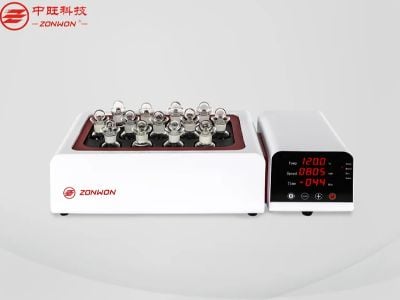
Sample preparation is an important step in measuring the intrinsic viscosity of materials. Intrinsic viscosity helps us understand how thick or thin a liquid is, which is important in many industries, including food, pharmaceuticals, and plastics. If the sample is not prepared properly, it can produce inaccurate results, leading to mistakes in production or product quality. This is why companies like ZONWON focus on proper sample preparation. When measuring intrinsic viscosity, careful preparation can make a major difference in the accuracy and reliability of the test.
How to Optimize Sample Preparation for Accurate Intrinsic Viscosity Measurements?
To get the best results from intrinsic viscosity testing, proper sample preparation is essential. First, it is important to use the correct amount of material. Too little or too much material can affect the viscosity readings. For example, using 10 grams of polymer may produce a different result from using 5 grams. The correct amount should always follow the testing method and product requirements. Temperature is also important. If the sample is too cold or too hot, it can affect how the molecules move and change the viscosity result. Keeping the sample at the specified testing temperature is usually better than simply relying on room temperature. This helps ensure that measurements are consistent from one test to another.
Mixing the sample is another important step. If the material is not mixed properly, some parts may be thicker or more concentrated than others. This can make the measured viscosity appear higher or lower than the actual value. Using suitable mixing equipment can help create a more uniform sample.
Filtering may also be necessary when the sample contains unwanted particles. Small particles can interfere with the testing process and affect the final measurement. A suitable filter can help remove these particles while maintaining the quality of the sample.
The solvent must also be selected carefully. If the solvent does not dissolve the material properly, the viscosity measurement may be inaccurate. For example, a polymer that requires a particular intrinsic viscosity testing solvent may not dissolve correctly in water. Always follow the recommended testing procedure for the specific material. After preparation, allowing the sample to rest can help release trapped air or bubbles. This can be particularly useful because bubbles may interfere with accurate measurements. Finally, documenting the preparation process is important. Record details such as the sample amount, temperature, solvent, mixing time, and other relevant conditions. ZONWON emphasizes careful preparation and consistent procedures to help improve the reliability of intrinsic viscosity measurements.
Where to Find Reliable Sample Preparation Techniques for Viscosity Testing
Finding reliable sample preparation techniques can feel overwhelming, but there are several useful resources available. Scientific journals are a good place to begin because they often contain detailed information about sample preparation and viscosity testing. Research papers can provide useful examples of procedures used for different materials and testing conditions. Workshops, seminars, and technical training sessions can also be valuable. These events allow professionals to learn directly from experienced specialists and ask questions about difficult testing situations. Companies such as ZONWON may also provide technical information and guidance to help users understand sample preparation and testing procedures.
Online scientific communities and professional forums can provide additional ideas. Researchers and laboratory professionals often share their experiences with different materials, solvents, equipment, and preparation methods. However, information from online discussions should be compared with established testing procedures before being applied in a laboratory. Instructional videos can also be helpful when learning practical preparation techniques. Watching the process can make certain steps easier to understand, especially when working with unfamiliar laboratory equipment.
Another useful option is to contact equipment or laboratory solution suppliers directly. A supplier may be able to explain recommended preparation procedures for specific testing equipment and materials. ZONWON can help users understand the factors that may affect sample preparation and measurement. By combining scientific references, technical guidance, training, and practical experience, laboratories can develop consistent preparation procedures. This can help improve repeatability and make intrinsic viscosity results more trustworthy.
Why Sample Quality and Temperature Matter in Intrinsic Viscosity Testing?
In scientific and industrial applications, testing materials accurately is very important. Intrinsic viscosity testing can provide useful information about polymer solutions and other materials, particularly when companies need consistent product quality. However, the quality of the sample can have a major effect on the final result. A contaminated sample can produce misleading measurements. Dust, dirt, undissolved material, or other substances may change the properties of the solution. For example, if a polymer sample contains unwanted materials, the measured viscosity may not accurately represent the original material. This can make it harder for manufacturers to control their production processes.
The sample should also be mixed properly. If some material remains concentrated in one area while another part is more diluted, taking a small portion for testing may not provide a representative result. Proper mixing helps create a more uniform sample. The amount of material used is another important consideration. Using too little or too much can affect the testing conditions. Laboratories should follow the specified procedure carefully and use accurate measuring equipment. The container and preparation equipment can also matter. Certain materials may interact with the sample or introduce contamination. Choosing suitable containers and clean equipment helps reduce unnecessary variables.
Temperature is equally important. The behavior of a liquid can change as its temperature changes. A warmer liquid may flow more easily, while a colder liquid may become more resistant to flow. Because intrinsic viscosity measurement measurements depend on controlled testing conditions, the sample should reach the required temperature before measurement. For example, if a sample is taken from a cold storage area and tested immediately, its temperature may not be stable. This could affect the measurement and make the result difficult to compare with other tests. ZONWON can provide guidance on sample preparation and temperature control so laboratories can establish more consistent testing practices.
How to Improve Intrinsic Viscosity Testing Results with Proper Preparation?
Improving intrinsic viscosity testing starts with creating a repeatable sample preparation process. Every step should be performed consistently so that differences between measurements are caused by the material itself rather than preparation mistakes. Start by checking the sample before preparation. Make sure it is clean and free from visible contamination. Next, measure the required amount carefully. Accurate weighing is important because the concentration of the solution can directly affect the test. The sample should then be dissolved or mixed using the appropriate procedure. Give the material enough time to dissolve completely if the testing method requires it. Incomplete dissolution can leave particles or uneven concentrations that affect the measurement.
Temperature should be monitored throughout preparation. Use suitable equipment to bring the sample to the required temperature and allow enough time for it to stabilize. Avoid testing a sample while its temperature is still changing. It is also useful to keep detailed records. Record the material used, sample quantity, solvent, temperature, mixing conditions, preparation time, and any unusual observations. These records can make it easier to identify the cause if a test produces an unexpected result. Regular equipment maintenance is another important part of accurate testing. Pipettes, containers, viscosity instruments, and other laboratory tools should be cleaned and maintained according to their applicable procedures. Proper equipment condition helps reduce measurement errors. With careful sample preparation, controlled temperature, clean equipment, and consistent procedures, companies can improve the reliability of intrinsic viscosity tester measurements. ZONWON supports laboratories by providing solutions and guidance that can help make sample preparation and testing more consistent. This allows manufacturers to make better decisions about material quality and maintain reliable production standards.
Table of Contents
- How to Optimize Sample Preparation for Accurate Intrinsic Viscosity Measurements?
- Where to Find Reliable Sample Preparation Techniques for Viscosity Testing
- Why Sample Quality and Temperature Matter in Intrinsic Viscosity Testing?
- How to Improve Intrinsic Viscosity Testing Results with Proper Preparation?