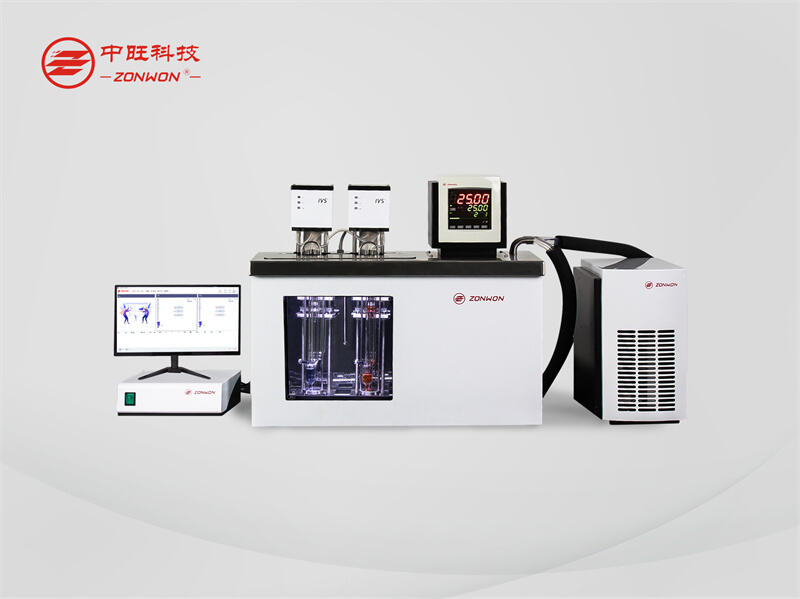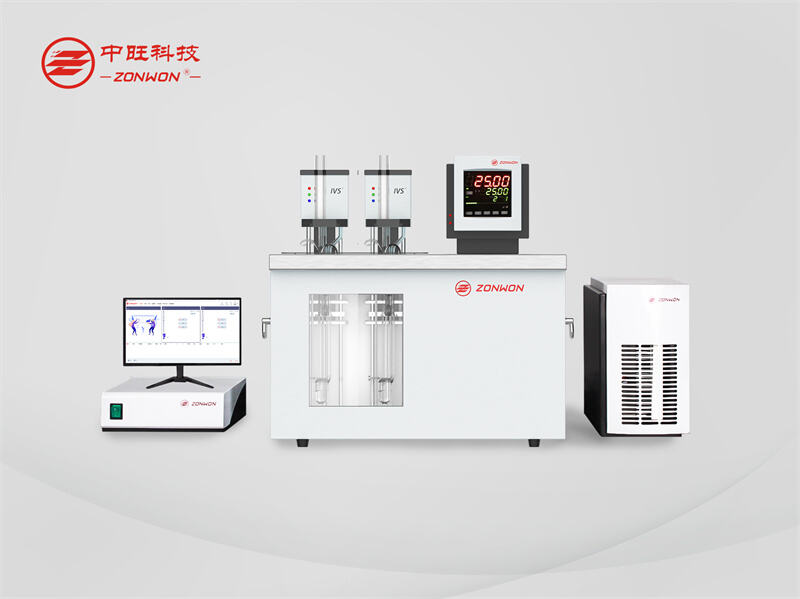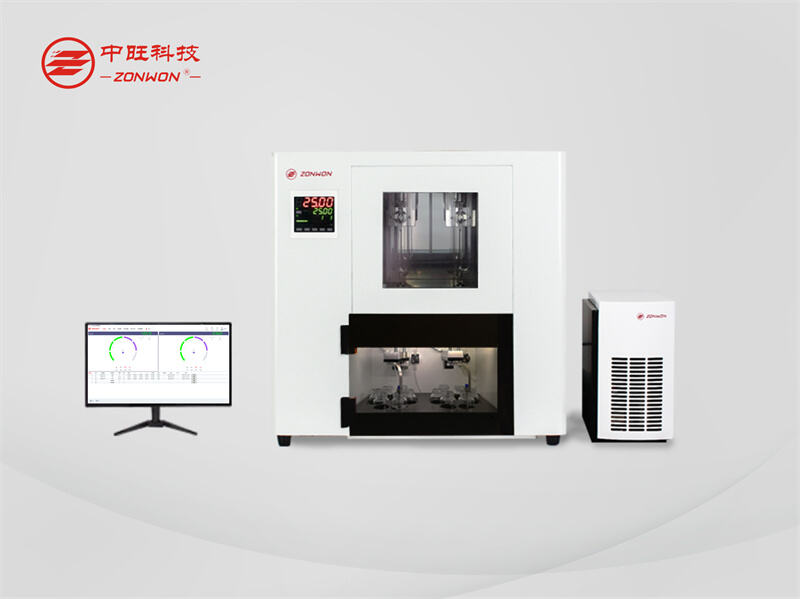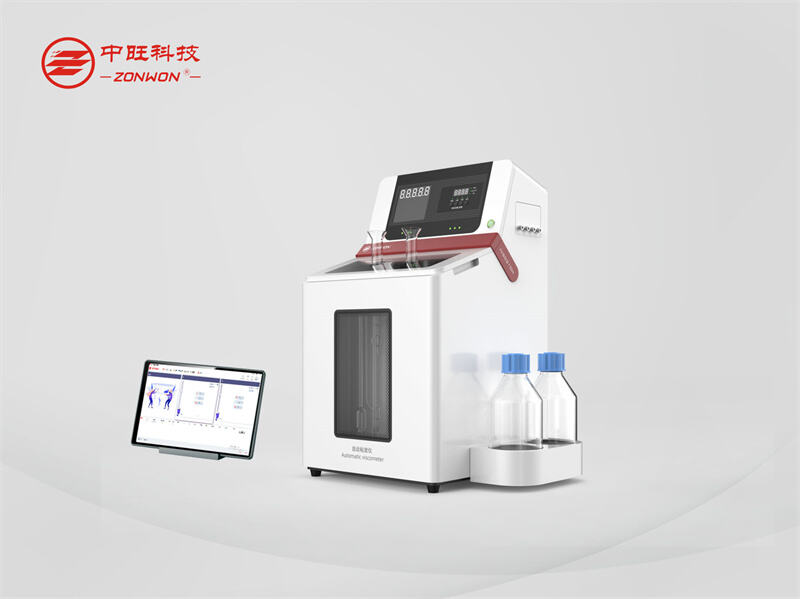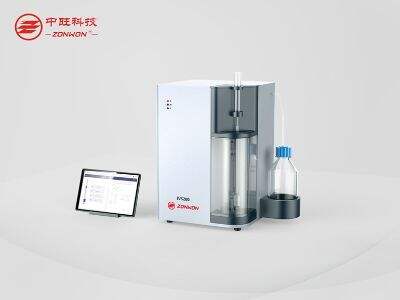
Viscometers are unique instruments that precisely gauge the thickness or flow of liquids. This thickness is called viscosity. Imagine honey versus water. Honey is thick and flows at a slow rate, while water is thin flows at a quick rate. Being able to tell how thick a liquid is can be useful in many industries, including food, cosmetics and paint. At ZONWON, we know it is critical to get these measurements right because they shape how products are manufactured and used. Quality Viscometers can aid manufacturers in the ability to produce products that work well and live up to consumer demands.
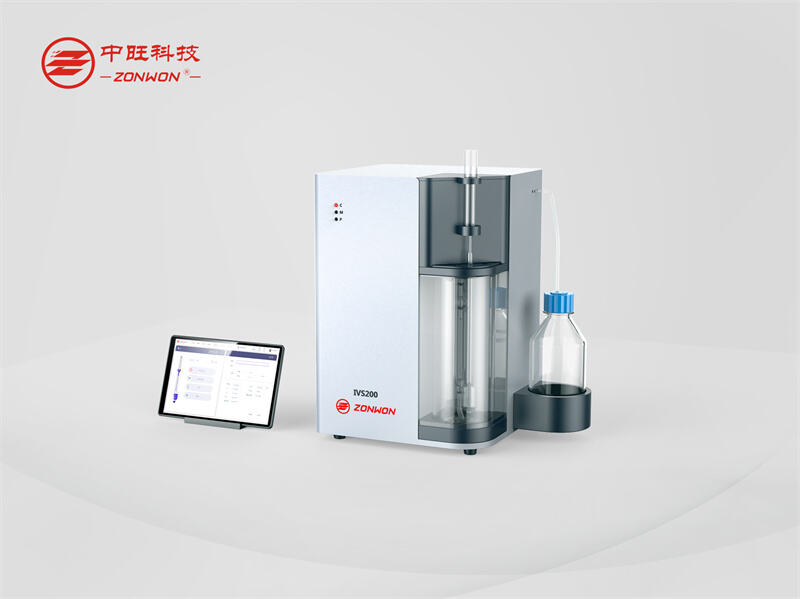
Some issues that are common when people use a viscometer could lead to the results being compromised. People often take the viscometer to dirty it after using it for a test. If there is residual liquid from a prior test that is not flushed away, it will get mixed in with the liquid of the new sample, and the reading you get will be incorrect. Always make sure that the viscometer is thoroughly washed after every use
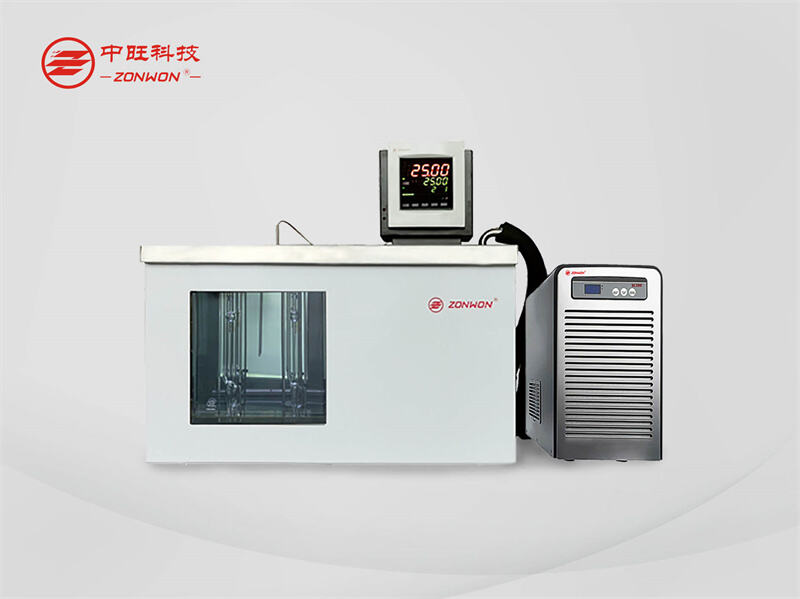
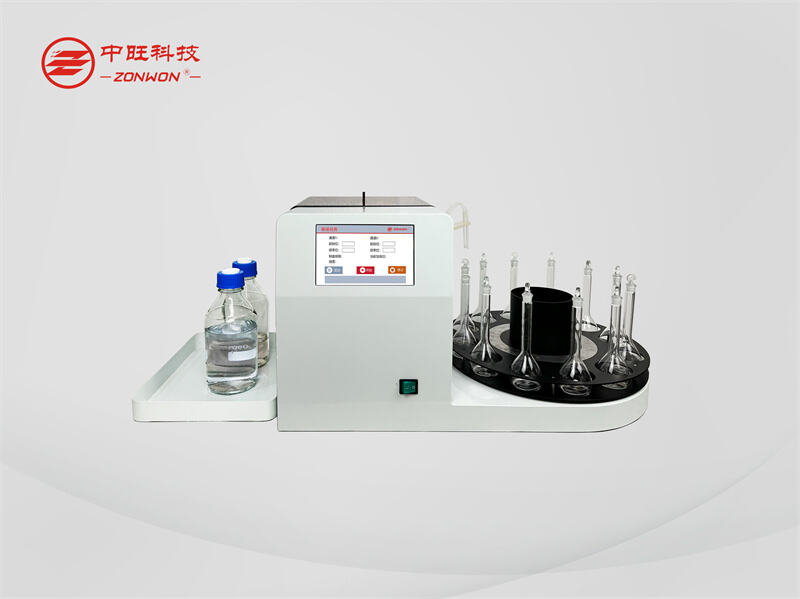
Temperature is still another factor causing wrong measurement. Viscosity from a sample varies with temperature: when honey is heated, it flows more easily. Therefore, accurate temperature control and recording are essential throughout the test. If you omit this step, your test results will not be reliable. Additionally, some issues can be caused by the use of a wrong kind of material when the viscometer was used for a certain liquid. Some viscometers are designed to work with very thick liquids, while others are better for thin ones. Choosing the right instrument is of utmost importance, and At ZONWON, we offer a range of automatic viscometer for your selection to accommodate your various needs.
Viscometer is an instrument used to measure viscosity. It is the internal resistance of a fluid or how much it resists the flow. The viscosity of a liquid directly affects the flow characteristics of the liquid. For example, honey has higher viscosity compared to water that is why honey flows slower than water. To ensure an optimal performance from a viscometer, there are some useful tips and guidelines to consider. First, always calibrate your viscometer before using it. Calibration is what makes your tool read correctly. You could do this by checking your viscometer against a standard viscosity liquid. It may sound confusing, but it’s a relatively simple operation that can save you many headaches down the line
Second, be sure you’re using the correct technique for the liquid you are trying to test. Refer to the viscometer manufacturer's recommendations. On certain viscometers you need to pour the liquid in a unique way, or at a specific rate. You won’t make a mistake if you follow these commands. Third, never go with a single measurement take multiple to be sure. If you make only one reading, it may not be a good approximation to the liquid. You can take several readings and average them: and that way ensure it’s correct. Lastly, log down all the measurements. Having a record will help a lot particularly if you want to track the performance over time or even discover the problem early if any. At ZONWON, we are committed to help you get the most out of your viscometer!
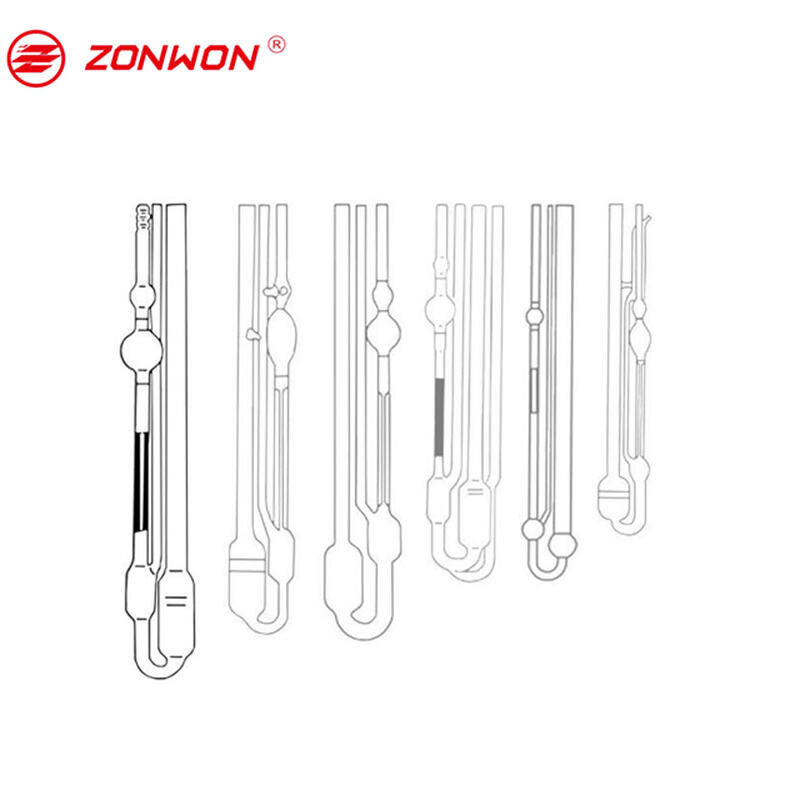
One question that should always pop into the mind decides what types of viscometers to go for must be the price in relation to the features offered, among other aspects. A viscometer is an instrument that measures the thickness or viscosity of a liquid. Different types of viscometers exist, and their price range varies from very low to high ones, some of which come with specialized features. Some viscometers can be considered simple and cheap, the perfect tool for the job. These are manual tools that you operate yourself. They might be a good choice for schools or smaller projects where you don’t need very accurate measurements
But, there are higher, end viscometers that allow you to take very precise measurements. Some can be electronic and even linked to a computer for easy data saving. They are generally more expensive but if you need reliable results for your work that matters, like in laboratories or factories, they can be an excellent investment. ZONWON's auto viscometer is well-known for their cost, performance ratio.
Viscometers are constantly evolving with new technologies incorporating changing features and enhanced performances. Recently, the most up, to, date one with a trendy feature is smart technology. Most of the recent viscometers have the capability of interfacing with smartphones or tablets. This feature enables you to take readings and see it doing in your device, which makes it even easier to follow any changes over the time. It is also very exciting to see the growing trend of real, time viscosity sensing instruments. Such sensors can give you an immediate response, which is very handy in food and pharmaceutical production sectors where the on, the, fly knowledge of viscosity can have quality or safety implications
ZONWON has taken the lead in the industry as far as these changes are concerned by producing low, cost, operable viscometers. A few of the newer models even have an onboard software that can perform the data analysis. It can free up your time, and you can make more accurate decisions based on the result. Moreover, many of these new viscometers are not only more durable but also very easy to clean which is great for labs that deal with sticky or messy materials.