 EN
EN

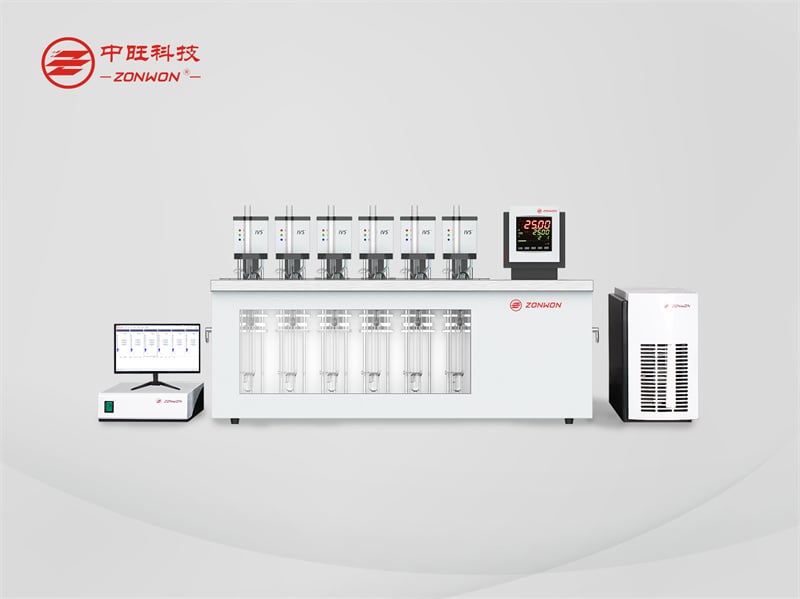
In the world of recycling, we often hear about PET, which stands for polyethylene terephthalate. This is a common plastic used in many bottles and containers. Recycling PET is important because it helps reduce waste and saves resources. However, not all recycled PET is the same. To check the quality of recycled PET, companies like ZONWON use a special test called intrinsic viscosity testing. This test helps ensure that recycled PET meets certain standards. Understanding this test is crucial for maintaining high quality in recycled materials.
What is Intrinsic Viscosity Testing and Why is it Essential for Recycled PET Quality?
Intrinsic viscosity testing measures how thick or runny a fluid is. For recycled PET, this test looks at how the plastic flows when it is melted. The results of this test tell us a lot about the quality of the material. If the intrinsic viscosity is too low, it may mean the PET is weak and not suitable for making new products. On the other hand, if it is too high, the PET could be hard to work with in manufacturing. This balance is very important. At ZONWON, we know that high-quality recycled PET can be used to make new bottles, clothing, and more. However, if the quality is not checked, it can lead to products that break easily or do not work well. This is why intrinsic viscosity testing is so important. It helps manufacturers like us know if the recycled PET can be used safely and effectively. Without this testing, companies could face problems, like unhappy customers or wasted materials.
How to Improve Quality Control in Recycled PET through Intrinsic Viscosity Testing
Improving quality control in recycled PET is a challenge many companies face. At ZONWON, we believe that using intrinsic viscosity testing is a great way to tackle this challenge. First, we make sure to test every batch of recycled PET we receive. This means that we can catch any problems early on. If the viscosity isn’t right, we can decide whether to fix the batch or reject it before it goes into production. Training staff to understand the importance of this test is also key. When employees know what to look for, they can help maintain high standards. Additionally, we use advanced equipment that provides accurate results quickly. This way, we don't have to wait long to know if the material is good enough. Regularly reviewing our testing processes also helps us find ways to improve. By doing these things, we can ensure that the recycled PET we use is of the highest quality. This not only helps our products but also contributes to a better environment. When we use better recycled materials, we can reduce waste and help protect our planet.
Where to Find Reliable Intrinsic Viscosity Testing Services for Recycled PET
Finding a good place to test the intrinsic viscosity of recycled PET can be important for making sure the plastic is of high quality. Intrinsic viscosity measurement helps to measure how thick or thin a liquid is, which is important for recycled PET. If you're looking for reliable services, ZONWON is a great option. ZONWON focuses on testing and making sure that recycled PET meets high standards. When searching for testing services, look for companies that have a good reputation and know a lot about plastics. Good testing services should have experienced staff and modern equipment. This helps ensure that the test results are accurate. You can find these services online by checking websites that list laboratories and testing facilities. It is essential to read reviews from other customers. This way, you can see if others were happy with the service. Asking for recommendations from friends or other businesses can also help you find a trustworthy testing service. Always make sure the service you choose follows proper safety and quality guidelines. ZONWON stands out because it is dedicated to helping customers understand the testing process. They can explain how intrinsic viscosity affects the quality of recycled PET. This makes it easier for companies to make informed decisions about their materials. If you need testing, reach out to ZONWON for support and guidance.
What Common Usage Issues Arise in Intrinsic Viscosity Testing for Recycled PET?
When testing the intrinsic viscosity of recycled PET, some common problems can occur. One issue is that the samples may not be prepared correctly. If the recycled PET is not clean or has not been processed properly, it can give inaccurate results. This means that it is important to follow the right steps when getting samples ready for testing. Another problem can be the temperature during the test. The viscosity of liquids can change based on temperature, so keeping the test at a consistent temperature is crucial. If the temperature isn't controlled, the results may not reflect the true quality of the recycled PET. Sometimes, the equipment used for testing may not be calibrated properly. This can lead to errors in measurement. It is vital for testing facilities, like ZONWON, to regularly check and maintain their equipment. Additionally, the staff performing the tests need to be well-trained. If they don’t know how to use the machines or interpret the results correctly, it can lead to mistakes. Communication is also important when discussing results. If there is confusion about what the results mean, it can cause misunderstandings about the quality of the recycled PET. ZONWON understands these challenges and works hard to overcome them. They provide clear instructions and ensure that their staff is well-trained to avoid these common issues in intrinsic viscosity testing.
What Are the Key Benefits of Intrinsic Viscosity Testing for Wholesale Recycled PET Buyers?
For buyers of wholesale recycled PET, intrinsic viscosity testing offers many important benefits. First, it helps buyers understand the quality of the recycled plastic they are purchasing. Knowing the intrinsic viscosity can give insights into how the material will perform in different applications. For example, if the viscosity is too low, the recycled PET may not be suitable for certain products. This means buyers can avoid wasting money on materials that won't work for their needs. Another benefit is that intrinsic viscosity testing can help buyers ensure consistency. When they know that the recycled PET has a certain viscosity, they can expect similar quality in future orders. This consistency is important for manufacturers who want to make reliable products. Additionally, intrinsic viscosity tester can help buyers meet industry standards and regulations. Many industries have strict rules about the quality of materials they use. By testing the viscosity, buyers can show that they are using high-quality recycled PET that meets these requirements. Finally, working with a trusted company like ZONWON can also provide peace of mind. Knowing that the testing process is thorough and accurate helps buyers feel confident in their purchases. With intrinsic viscosity testing, recycled PET buyers can make smarter choices, save money, and ensure they have the best materials for their products.
Table of Contents
- What is Intrinsic Viscosity Testing and Why is it Essential for Recycled PET Quality?
- How to Improve Quality Control in Recycled PET through Intrinsic Viscosity Testing
- Where to Find Reliable Intrinsic Viscosity Testing Services for Recycled PET
- What Common Usage Issues Arise in Intrinsic Viscosity Testing for Recycled PET?
- What Are the Key Benefits of Intrinsic Viscosity Testing for Wholesale Recycled PET Buyers?