 EN
EN

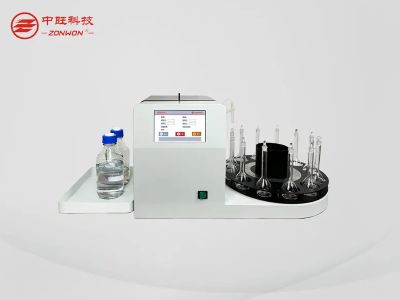
When you use a pipette, it’s important to get the right amount of liquid every time. Pipettes are tools that help scientists and researchers move liquids from one place to another. However, not all liquids behave the same way. Some liquids are thick, like honey, while others are thin, like water. This thickness is called viscosity. The viscosity of a liquid can change how accurately a pipette can measure and repeat the same amount of liquid. At ZONWON, we know how important it is to understand this relationship to make sure our pipettes work well for everyone.
How Liquid Viscosity Affects Pipette Accuracy in Wholesale Applications?
In wholesale applications, where large amounts of liquid are handled, viscosity plays a big role in how pipettes work. When a liquid is thick, it can be hard to draw into the pipette or to release it accurately. For example, if you are using a pipette to measure a thick syrup, you might find that it doesn't flow easily. This can lead to mistakes, where you think you have taken a certain amount, but it's not right. On the other hand, thin liquids like water or alcohol flow much easier, making it simpler to get the right amount. This is why it’s important for companies to choose the right pipette based on the liquid they are working with. If they use a pipette that isn’t designed for thick liquids, they might not get the exact measurement they need. This could lead to problems in production or experiments. ZONWON understands this and offers pipettes that can handle different viscosities, ensuring that you get accurate results no matter what liquid you are dealing with.
What You Need to Know About Pipette Performance and Liquid Viscosity?
When it comes to pipette performance, viscosity is just one of the many factors to think about. Different liquids have different properties, and knowing these can help you use your pipette better. For instance, if a liquid is very sticky, it might cling to the inside of the pipette, making it hard to get all of it out. This means that you won’t have the right measurement, which can cause issues later. It is also good to know that temperature can change how thick a liquid is. A cold syrup might be thicker than one that is warm. This means that if you are using a pipette, the temperature of the liquid can change how accurate your measurements are. At ZONWON, we recommend checking the viscosity of your liquids and adjusting your methods based on that. Using the right technique and understanding how automatic viscosity meter works can help you get the best results, making your work more efficient and reliable. Whether you are in a lab or working in a factory, knowing about viscosity can help you be more precise with your pipetting.
Where to Find High-Quality Pipettes for Viscous Liquids?
When working with thick liquids, it is important to have the right tools. One of the most important tools is a pipette. A pipette is a small tube that helps you measure and transfer liquids. If you want to work with viscous liquids, like honey or syrup, you need a good-quality pipette. High-quality pipettes are designed to handle thick liquids without making mistakes. You can find these pipettes at science supply stores, online marketplaces, and even at some local pharmacies. When searching for a pipette, make sure to look for brands known for their quality, like ZONWON. ZONWON pipettes are specially designed to be easy to use and accurate. They have features that help to pull out thick liquids smoothly. You should also check the size of the pipette. Some pipettes can hold a little liquid, while others can hold a lot. If you are working with thick liquids, a larger pipette can help you transfer more liquid at once. Another thing to look for is the material of the pipette. Pipettes made from high-quality plastic or glass are often better for viscous liquids because they are strong and durable. Lastly, read reviews from other users. This can give you a good idea of how well a pipette works for thick liquids. By choosing a high-quality pipette, you can make your work easier and more accurate.
Where to Source Pipettes Designed for High Viscosity Liquids?
Finding the right pipette for high viscosity liquids is crucial for getting accurate results. Viscosity refers to how thick a liquid is. Some liquids, like oil or glue, are very thick and can be hard to suck into a pipette. That’s why you need pipettes that are specially designed for these kinds of liquids. You can look for these specialized pipettes at places like laboratory supply companies or online science stores. ZONWON offers pipettes that are perfect for high viscosity meter liquids. These pipettes have special tips and mechanisms that make it easier to draw thick liquids without spilling or clogging. When shopping for these pipettes, pay attention to the description. It should mention that the pipette is suitable for viscous liquids. Some pipettes also have adjustable tips, which can be very helpful. This feature lets you change the width of the tip, making it easier to handle different kinds of thick liquids. Additionally, it's a good idea to ask for recommendations from teachers or professionals in science. They might know the best places to find these types of pipettes. Sometimes, schools or universities have extra pipettes that they can share. By sourcing the right pipettes, you ensure that your experiments or projects will go smoothly, even with the thickest of liquids.
How Understanding Viscosity Enhances Pipette Selection and Performance?
Understanding viscosity is very important when you choose a pipette. Viscosity tells you how thick a liquid is and how easily it flows. If you know the viscosity of the liquid you are working with, you can choose the best pipette for the job. For example, if you are working with water, which is not thick, almost any pipette will work. But if you are working with a thick liquid, like molasses, you need a pipette designed for that. Knowing how thick a liquid is helps you avoid problems. If you use the wrong pipette, it might not be able to suck up the liquid properly, leading to spills or incorrect measurements. ZONWON pipettes are designed with this in mind. The viscosity testing machine are made to handle different viscosities, which makes them very versatile. When you understand viscosity, you can also improve the way you use your pipette. For thick liquids, you may need to use a slower and steadier motion to fill the pipette. This can help avoid air bubbles, which can cause inaccuracies. By being aware of the viscosity and how it affects your work, you can make better choices and get more reliable results. This knowledge not only helps in selecting the right pipette but also boosts your confidence in performing experiments, ensuring you can achieve the best outcomes every time.
Table of Contents
- How Liquid Viscosity Affects Pipette Accuracy in Wholesale Applications?
- What You Need to Know About Pipette Performance and Liquid Viscosity?
- Where to Find High-Quality Pipettes for Viscous Liquids?
- Where to Source Pipettes Designed for High Viscosity Liquids?
- How Understanding Viscosity Enhances Pipette Selection and Performance?