 EN
EN

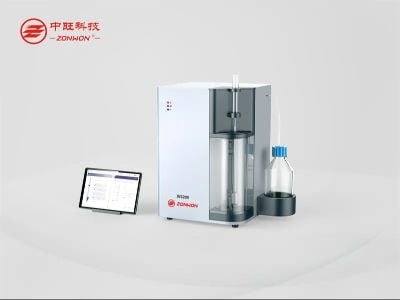
Pipettes are important tools used in laboratories to measure and transfer small amounts of liquid. When we calibrate pipettes, we want to make sure they work perfectly. Calibration is like tuning a musical instrument; it helps ensure that the pipette delivers the right amount of liquid every time. However, the environment around us can change how well a pipette performs. Things like temperature and humidity can really make a difference. At ZONWON, we understand how these environmental conditions impact pipette performance, and we want to share this knowledge with you to help you get the best results in your work.
How Temperature Variations Influence Pipette Performance During Calibration?
Temperature plays a big role in how pipettes work. When the temperature is too high or too low, it can affect the liquid inside the pipette. For example, if it's really hot, the liquid might expand, making it harder to measure accurately. On the other hand, if it's too cold, the liquid can thicken, which can also lead to errors. When calibrating a pipette, it’s best to do it at room temperature, around 20 to 25 degrees Celsius. This is where the pipette and the liquid will behave normally. If you have to calibrate in a different temperature, make sure to know how it affects the liquid's volume.
Additionally, different liquids react differently to temperature changes. Water, oil, and alcohol all have different properties when heated or cooled. For example, alcohol evaporates quickly, and if it gets too warm, you might lose some of it before you even measure. That’s why labs often have temperature controls. If you can keep the room temperature steady, it helps ensure that your automated pipette dispenser will give you the same amount of liquid every time. ZONWON pipettes are designed to minimize these effects, but it’s still important to remember how temperature can impact performance during calibration.
What Humidity Levels Are Ideal for Accurate Pipette Calibration?
Humidity is another important factor. When the air is too humid, it can cause problems with pipettes. Water vapor can stick to the outside of the pipette or even get into the liquid you’re measuring. This extra moisture can change the volume of liquid you think you’re measuring. If you are in a lab with high humidity, it may be important to dry the pipette before you use it. On the other hand, if the air is too dry, it can lead to static electricity, which can also affect how liquids behave.
The best humidity levels for accurate pipette calibration are usually between 30% and 60%. This range helps to avoid the problems that come with very dry or very wet air. Labs often use special auto pipette machine to monitor humidity levels and keep them steady. ZONWON encourages labs to check their humidity regularly during calibration. If the levels are off, it might be a good idea to wait until conditions are better. By keeping both temperature and humidity at the right levels, you can make sure your pipettes work as they should, giving you accurate results every time.
How Environmental Factors Affect Pipette Reliability?
Pipettes are special tools that scientists use to move small amounts of liquid. They need to work well to give accurate results. But did you know that the environment can change how they work? Several things, like temperature, humidity, and air pressure, can affect a pipette's reliability. For example, if it is too hot or too cold, the liquid inside the pipette might act differently. This can make it hard to measure the right amount of liquid. If the air is very humid, it can cause water to form on the outside of the pipette. This can make it slippery and hard to hold. Also, if the air pressure is not normal, it can change how the liquid moves inside the pipette. All these environmental factors can cause mistakes when scientists are trying to get accurate measurements. This is why it is important for scientists to pay attention to their surroundings when using pipettes. At ZONWON, we understand that the environment plays a big role in how our pipettes perform. That’s why we encourage users to calibrate their pipettes regularly. Calibration is a process that checks if the pipette is working correctly. When the environment changes, it is a good idea to calibrate the pipette again to make sure it gives the right results.
How to Ensure Consistent Pipette Performance Across Various Conditions?
To make sure pipettes work well in different conditions, scientists need to follow some simple steps. First, they should always store their pipettes in a safe place where the temperature and humidity are stable. If a pipette is kept in a hot room one day and a cold room the next day, it can affect how it measures liquids. Keeping a consistent environment helps the pipette to perform better. Next, users should always check the pipette before using it. This means looking for any dirt or damage and making sure it is clean. A clean pipette will give more accurate results. It's also important to use the right tips for the pipette. Tips that fit well will help prevent spills and make measurements more accurate. At ZONWON, we offer a range of tips that fit our pipettes perfectly. Another way to ensure performance is to practice good technique. This means holding the liquid handling pipette straight and pushing the button gently. If the button is pushed too hard or at an angle, it can lead to mistakes. Finally, regular calibration is key. Even if a pipette seems to be working fine, it should still be checked often. By following these steps, scientists can make sure that their pipettes will give them the right results no matter what the conditions are like.
Where to Source Quality Pipette Calibration Services for Wholesale Buyers?
Finding good calibration services for pipettes is important for labs and businesses that buy them in large amounts. When you buy many pipettes, you want to make sure they will all work properly. One great place to look for calibration services is through companies that specialize in lab equipment, like ZONWON. Our team knows how to calibrate pipettes accurately and can help ensure that your instruments give reliable results. It is essential to choose a service that has a good reputation. You can ask other scientists or labs for recommendations. They might know of trusted services that they have used before. It’s also smart to check if the calibration service follows industry standards. This means they use the right methods and equipment to check the pipettes. A good service will provide a certificate showing that the pipette has been calibrated correctly. This certificate is important because it proves that the pipette is working well. For wholesale buyers, it is beneficial to establish a long-term relationship with a calibration service. This way, you can schedule regular checks for your pipettes without any hassle. ZONWON is dedicated to providing excellent calibration services along with our pipettes. By choosing the right service, you can ensure that your pipettes will always be ready to deliver accurate results when you need them.
Table of Contents
- How Temperature Variations Influence Pipette Performance During Calibration?
- What Humidity Levels Are Ideal for Accurate Pipette Calibration?
- How Environmental Factors Affect Pipette Reliability?
- How to Ensure Consistent Pipette Performance Across Various Conditions?
- Where to Source Quality Pipette Calibration Services for Wholesale Buyers?